Europe needs 500,000 drivers. South America is the solution.

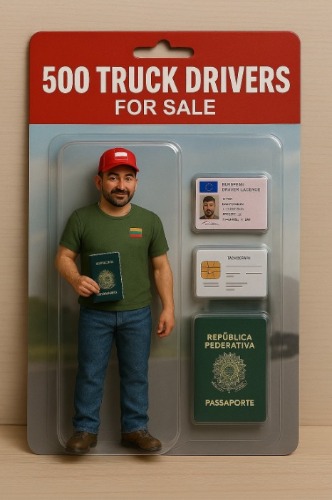

🚛DRIVER AUCTION – Hire our Drivers to Play in Your Team Today.
Place your bid now in our exclusive Driver Auction and connect with highly qualified, ready-to-hire professionals.
If you have the trucks , I have the Drivers!!
How much is a skilled, experienced, and road-ready truck driver worth to your fleet?
Imagine adding a professional driver who:
-
✅ Is fully experienced in international transport
-
✅ Is ready to be hired immediately
-
✅ Does not require a visa to enter and travel across Europe
-
✅ Is prepared to integrate into your operations without delay
-
In today’s competitive transport market, reliable drivers are not easy to find. We bring you pre-selected, committed professionals who are ready to move your business forward.
We are ready to meet your maximum budget.
Make your offer. Secure your driver. Strengthen your fleet.
The road to growth starts with the right driver behind the wheel.
Place your bid here Caterer Brazil - Contact us
Guarantee of Success!
If our applicants don´t pass in your probatory period, we will refund your company with all travel and visa expenses *
We want to be your Recruiter Partner in South America .
Our WhatsApp for faster communication +55 11 9 8935-8841 - Brazil -
Available 8 days a week, 25 hours a day, to help you , since 1990 .
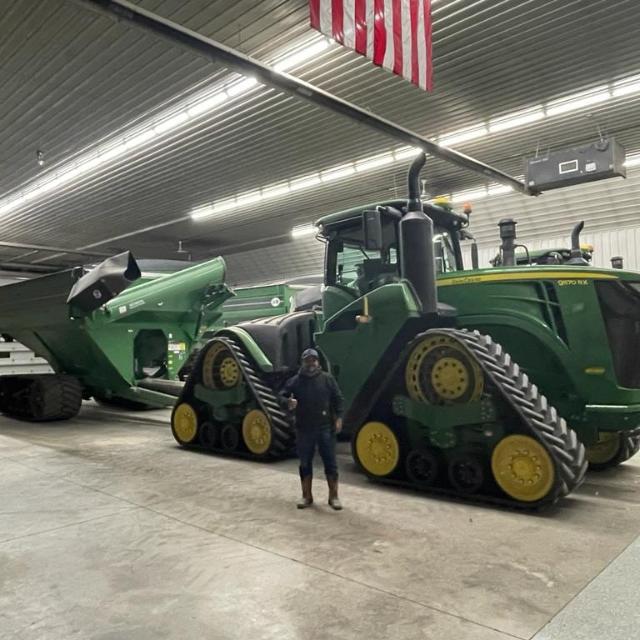
We have over 104.083 Truck Drivers and Farm Tractor and Combine Operators CV´s in our database waiting to receive your job adverts.







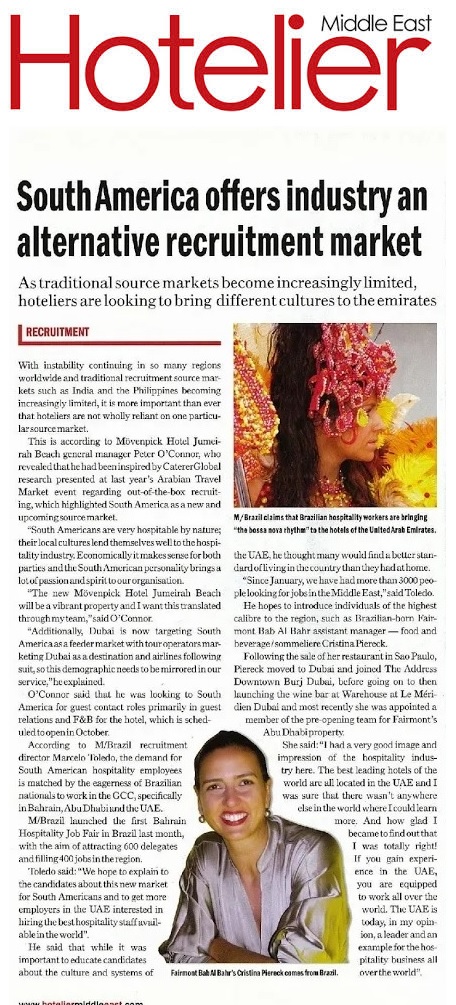














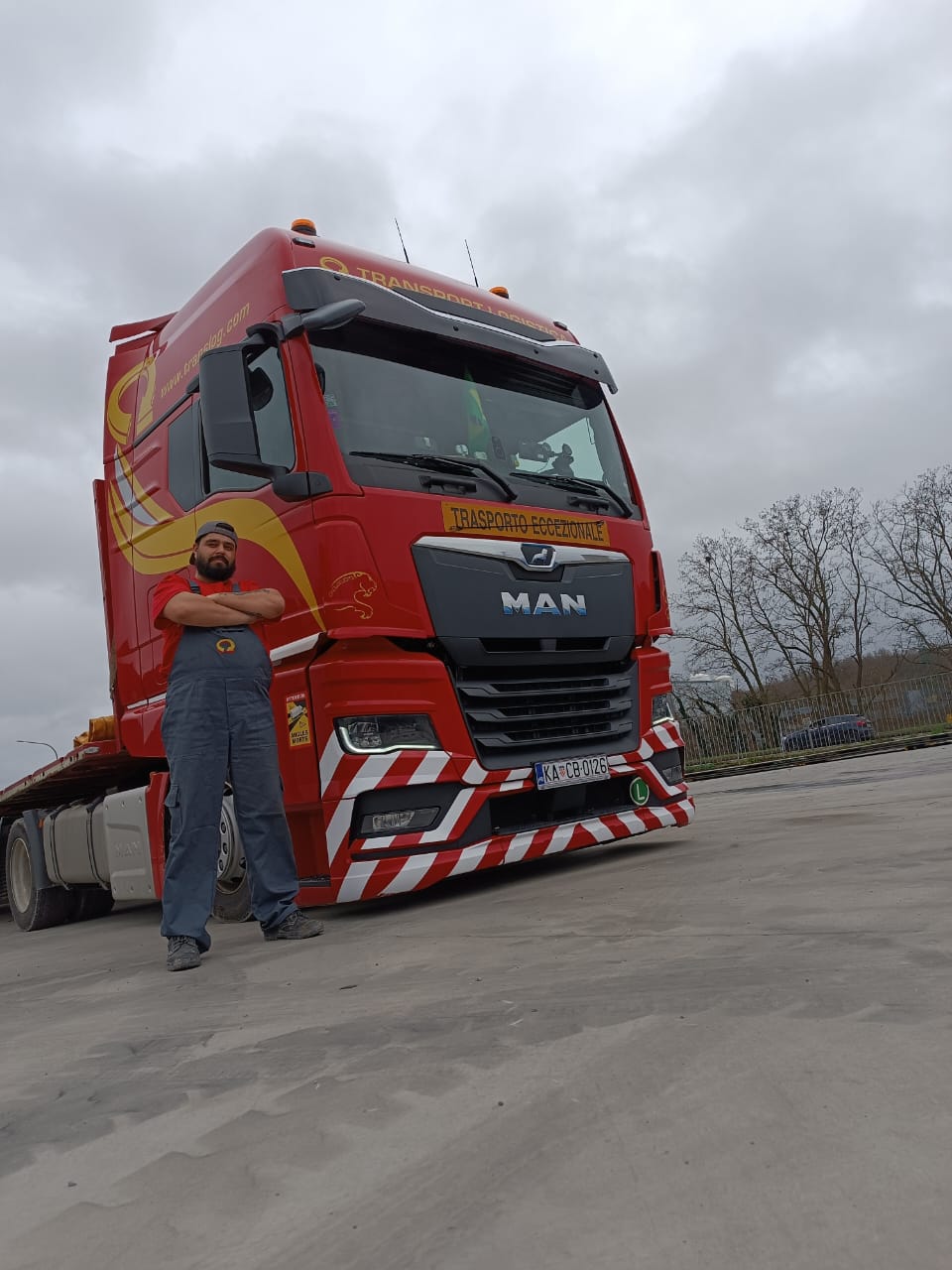


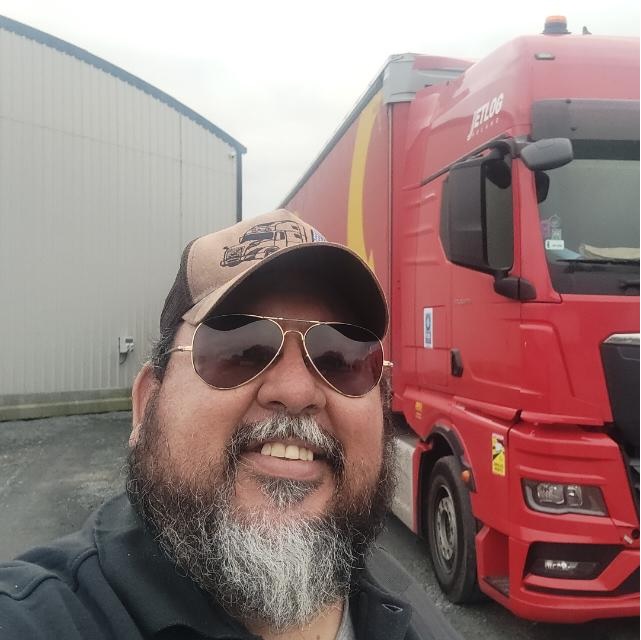
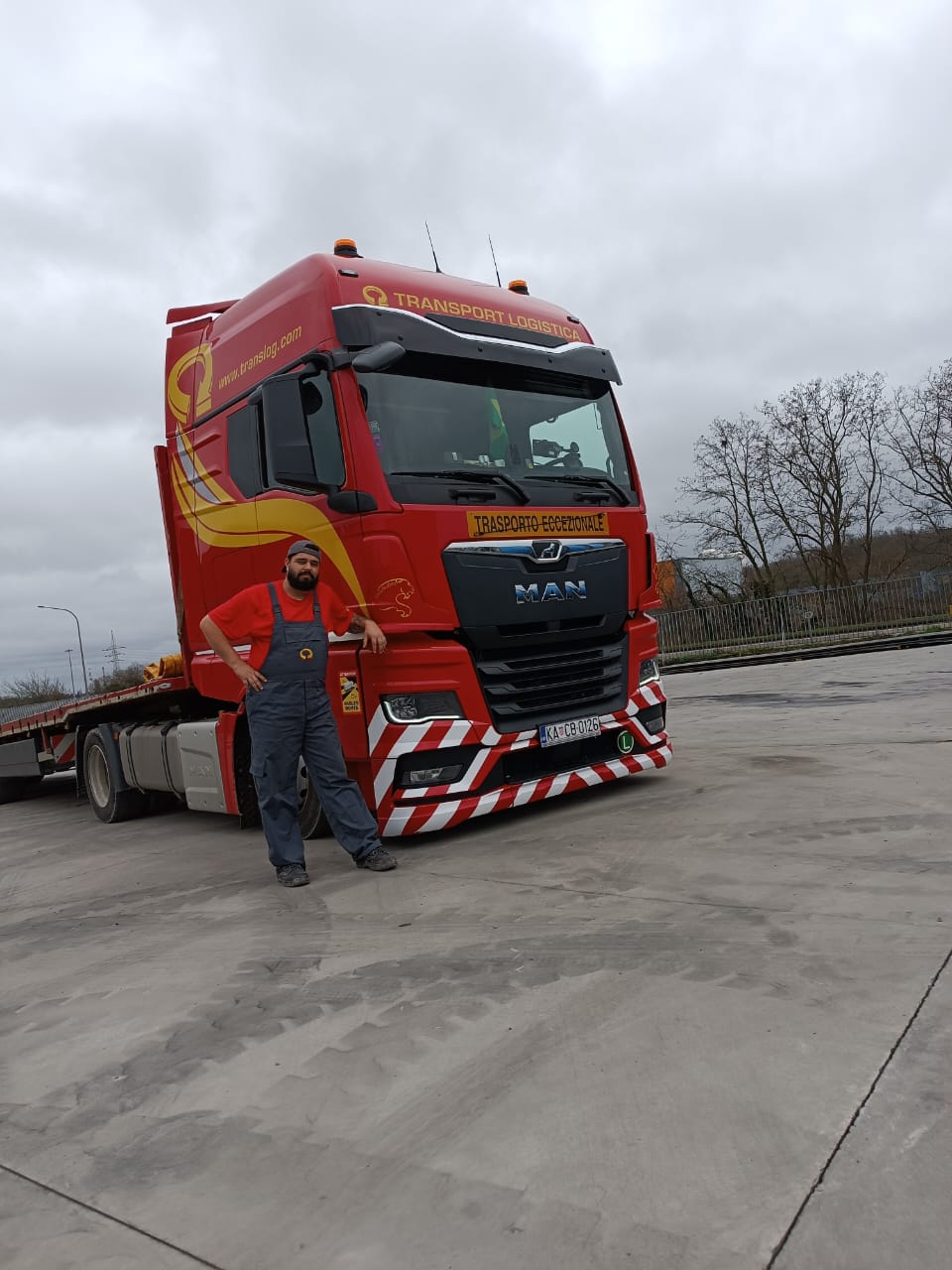














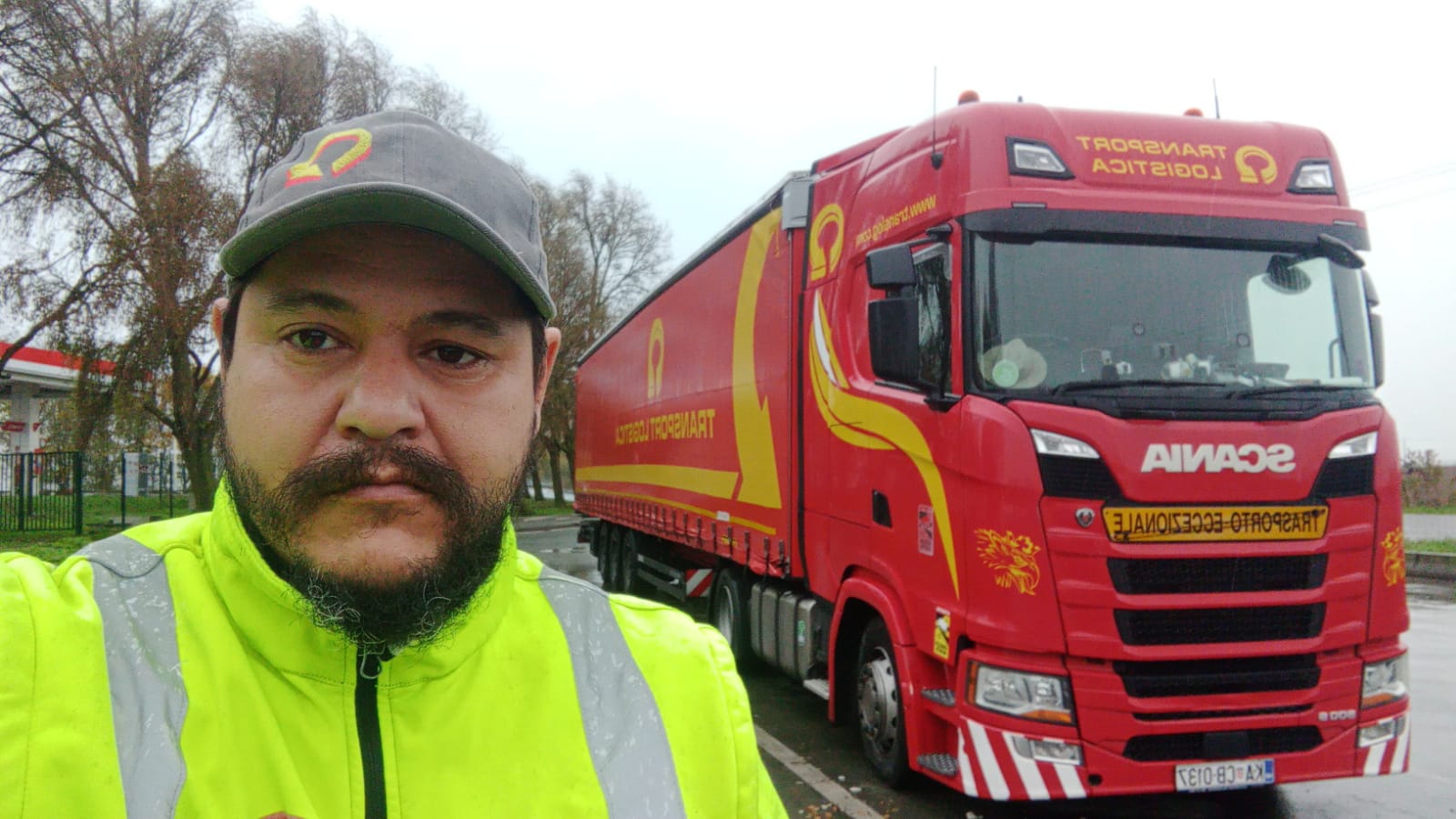

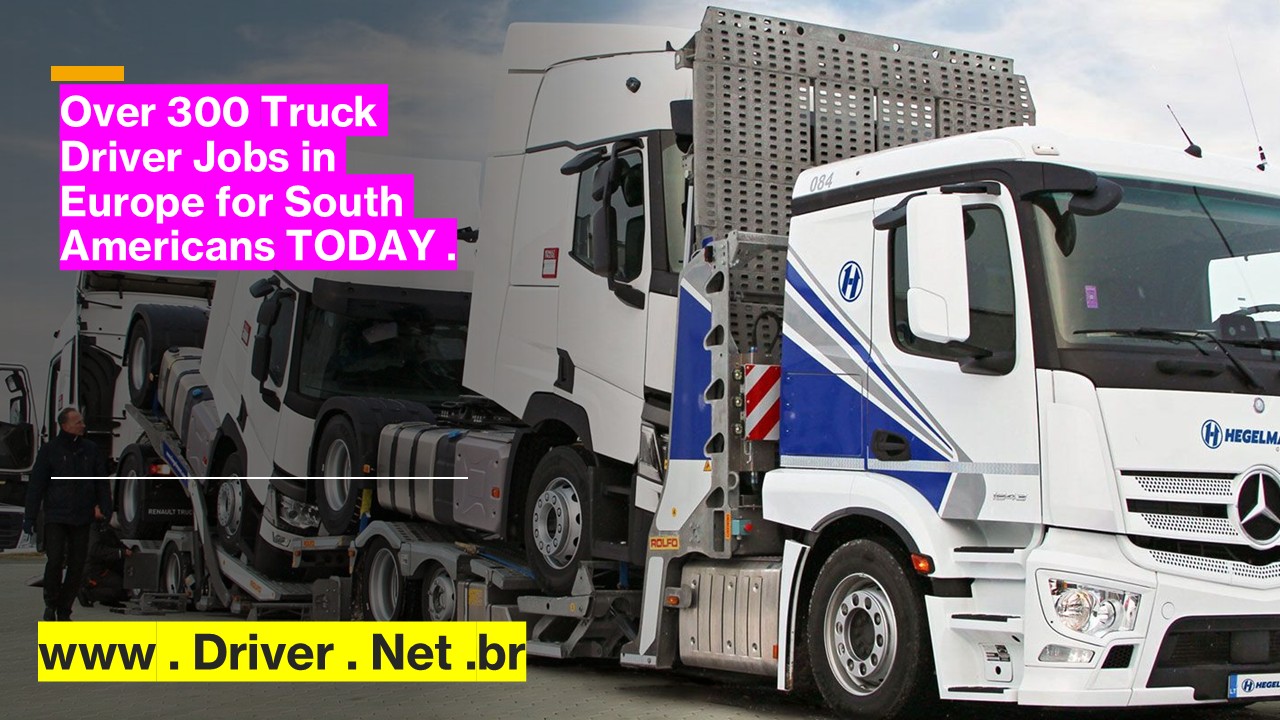

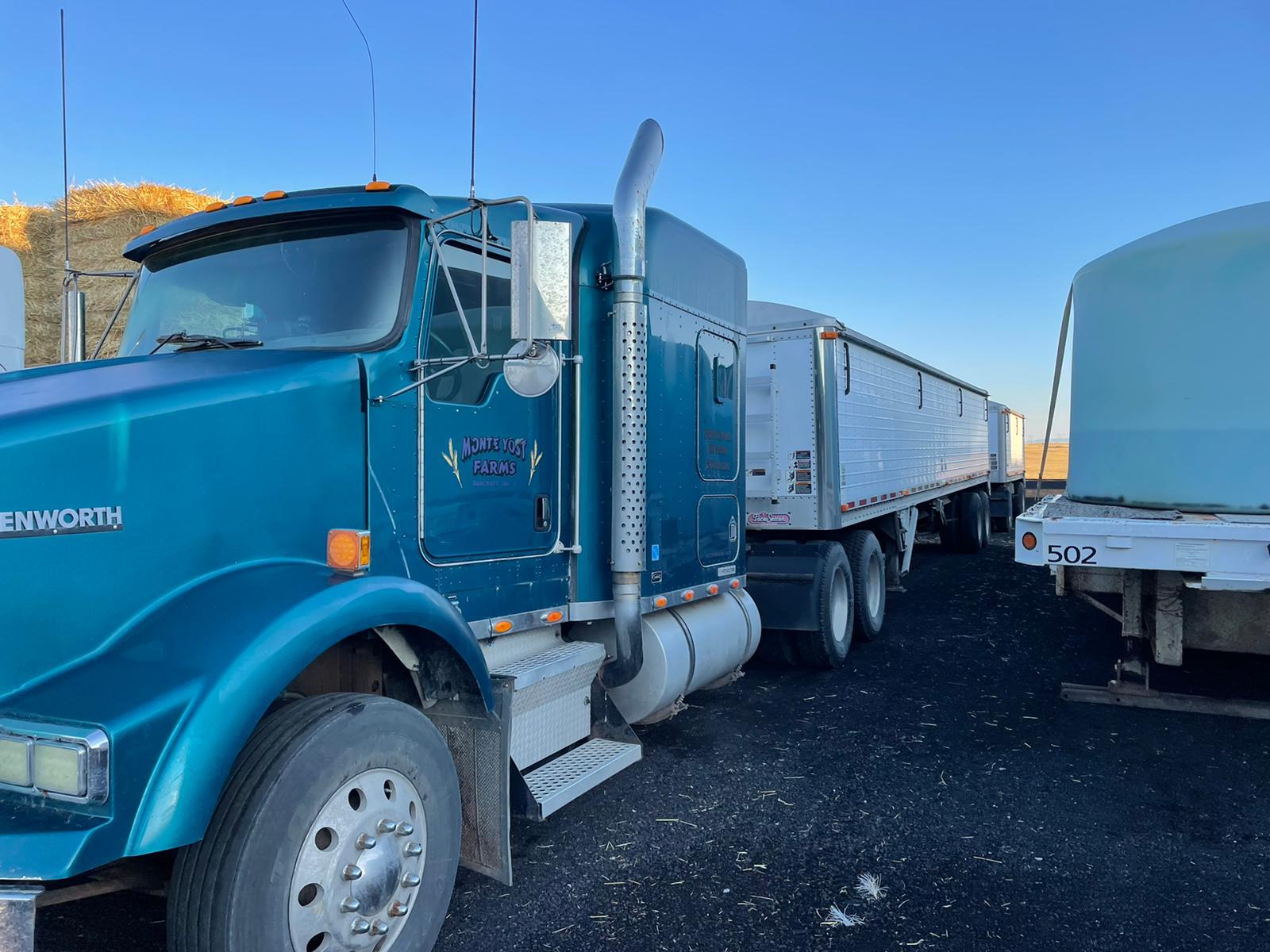





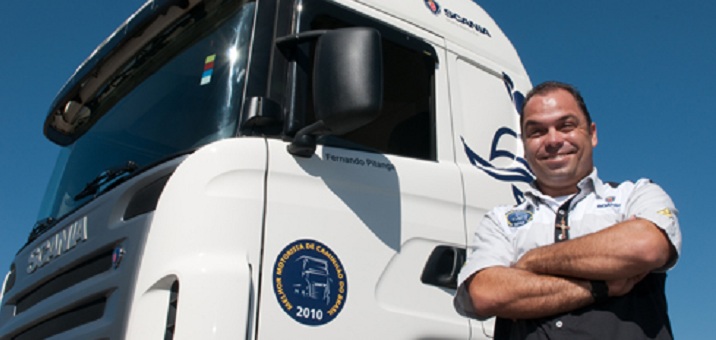
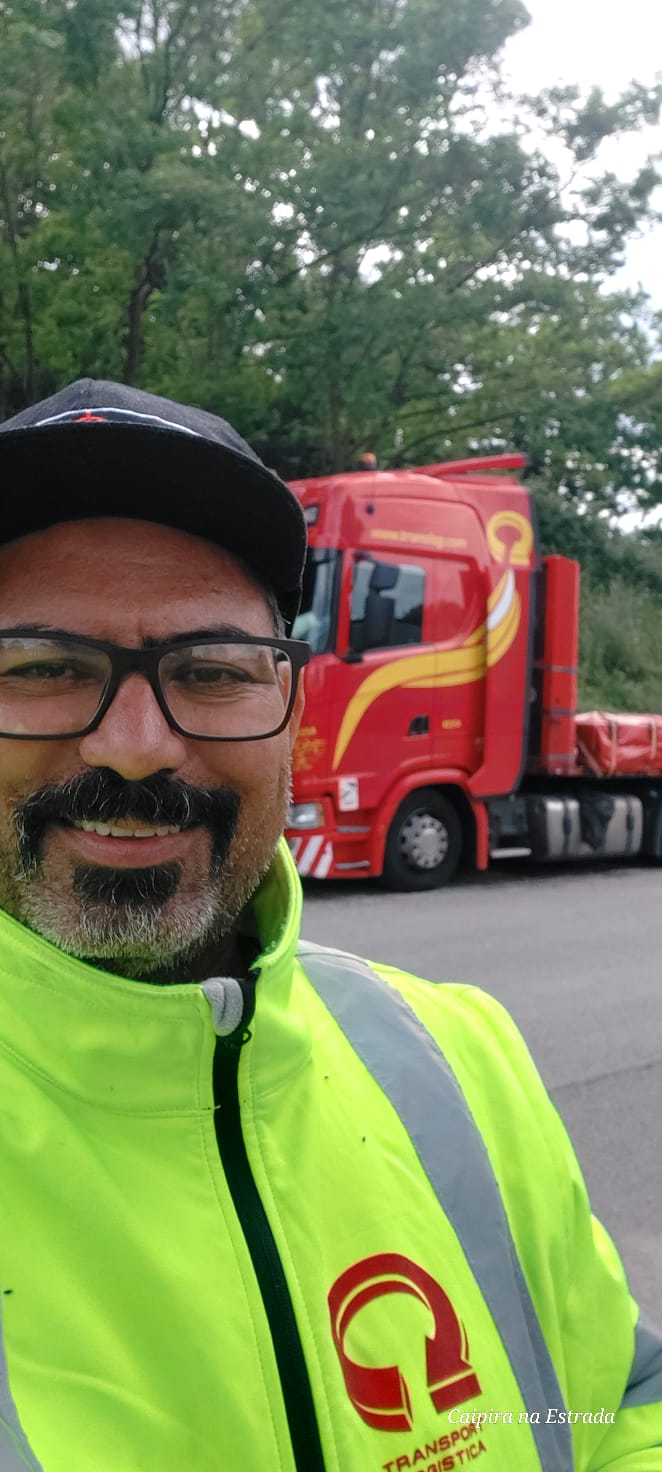


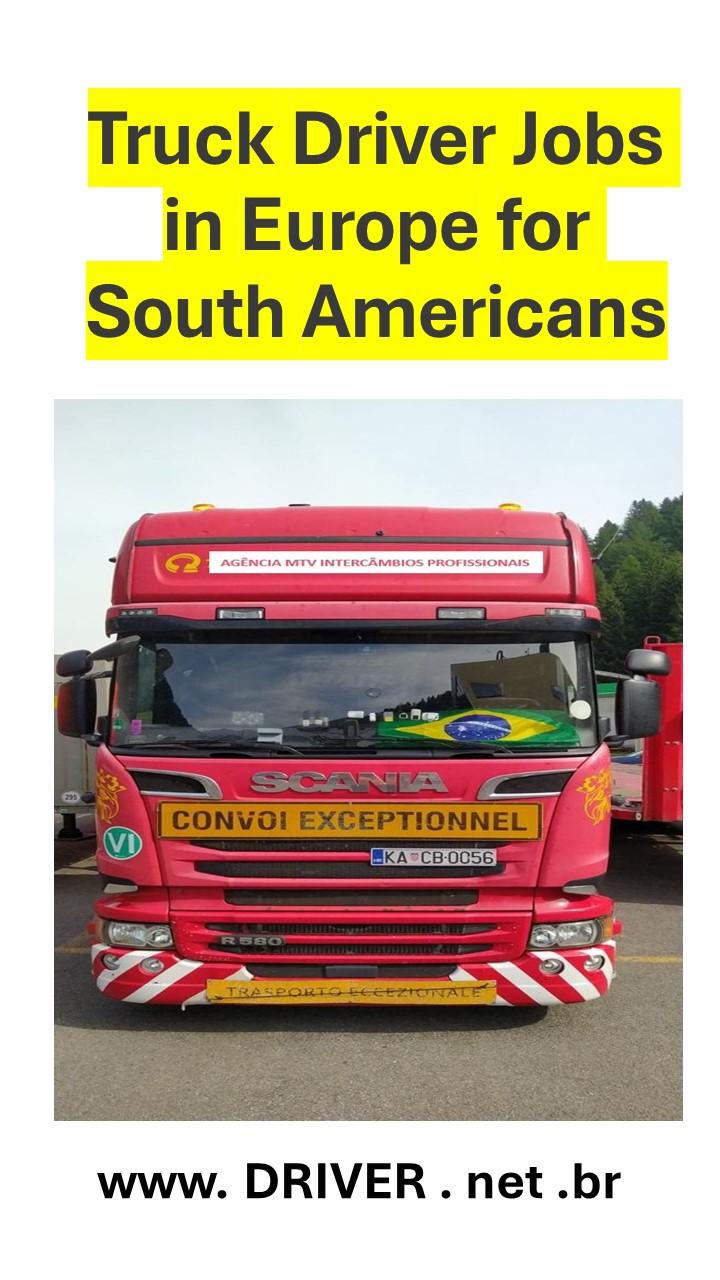
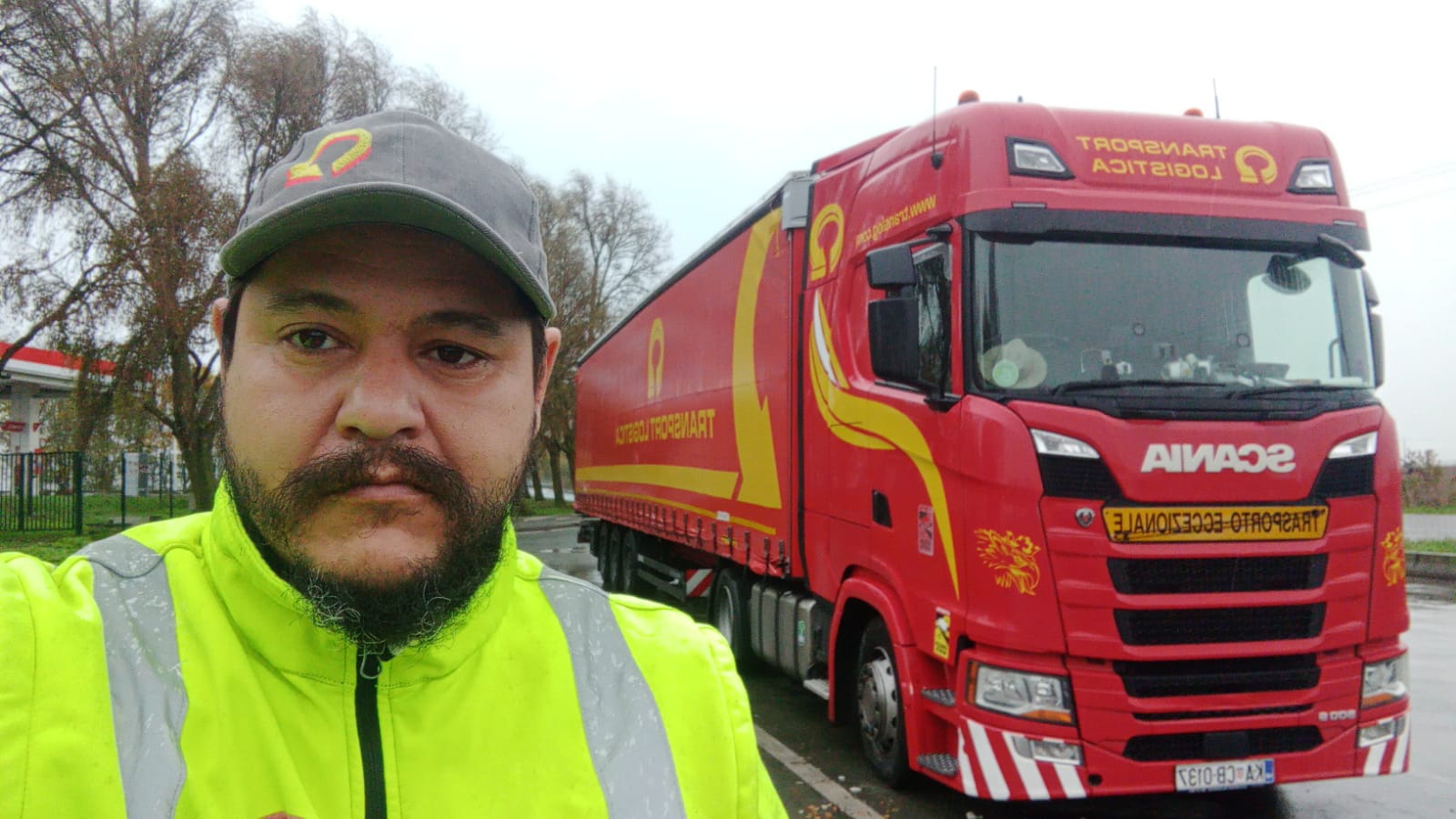

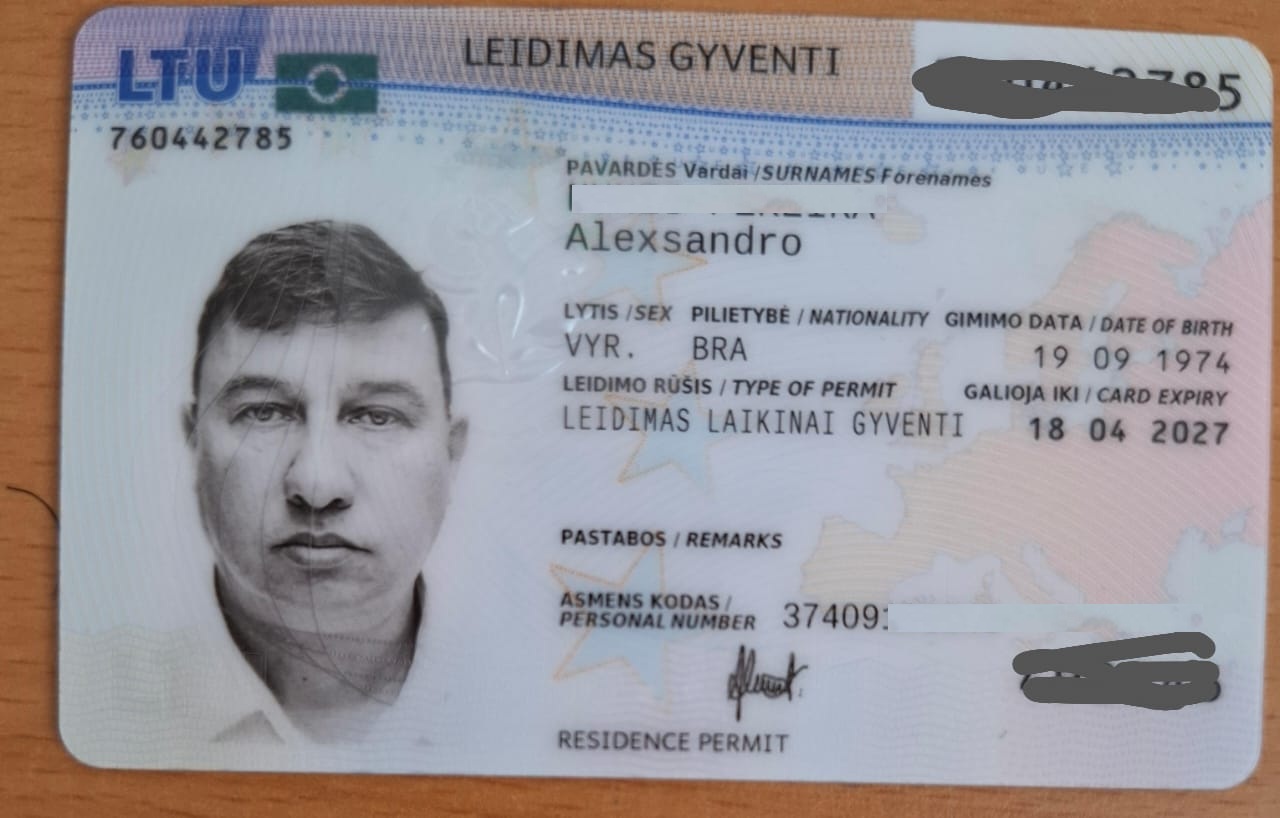
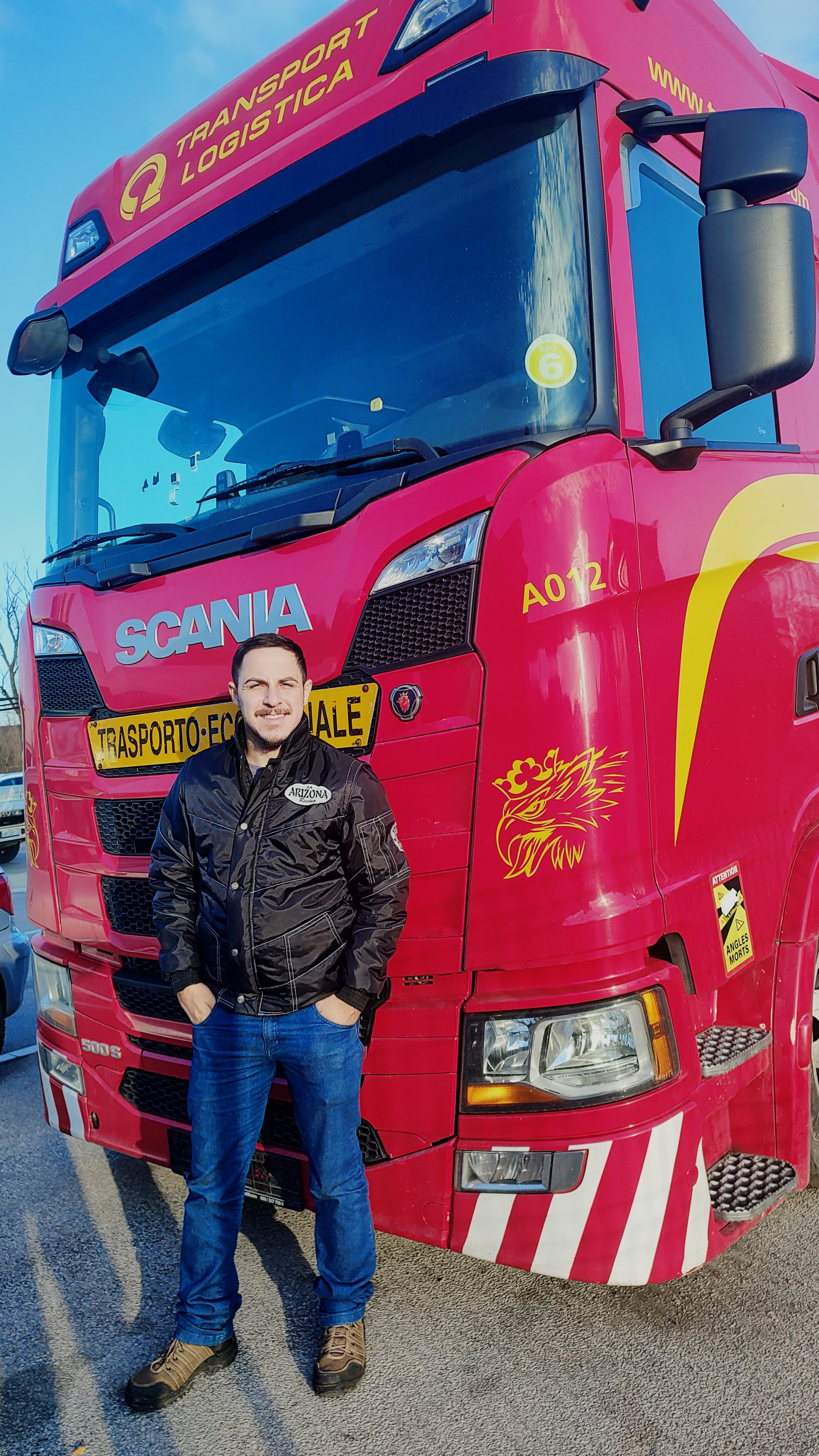

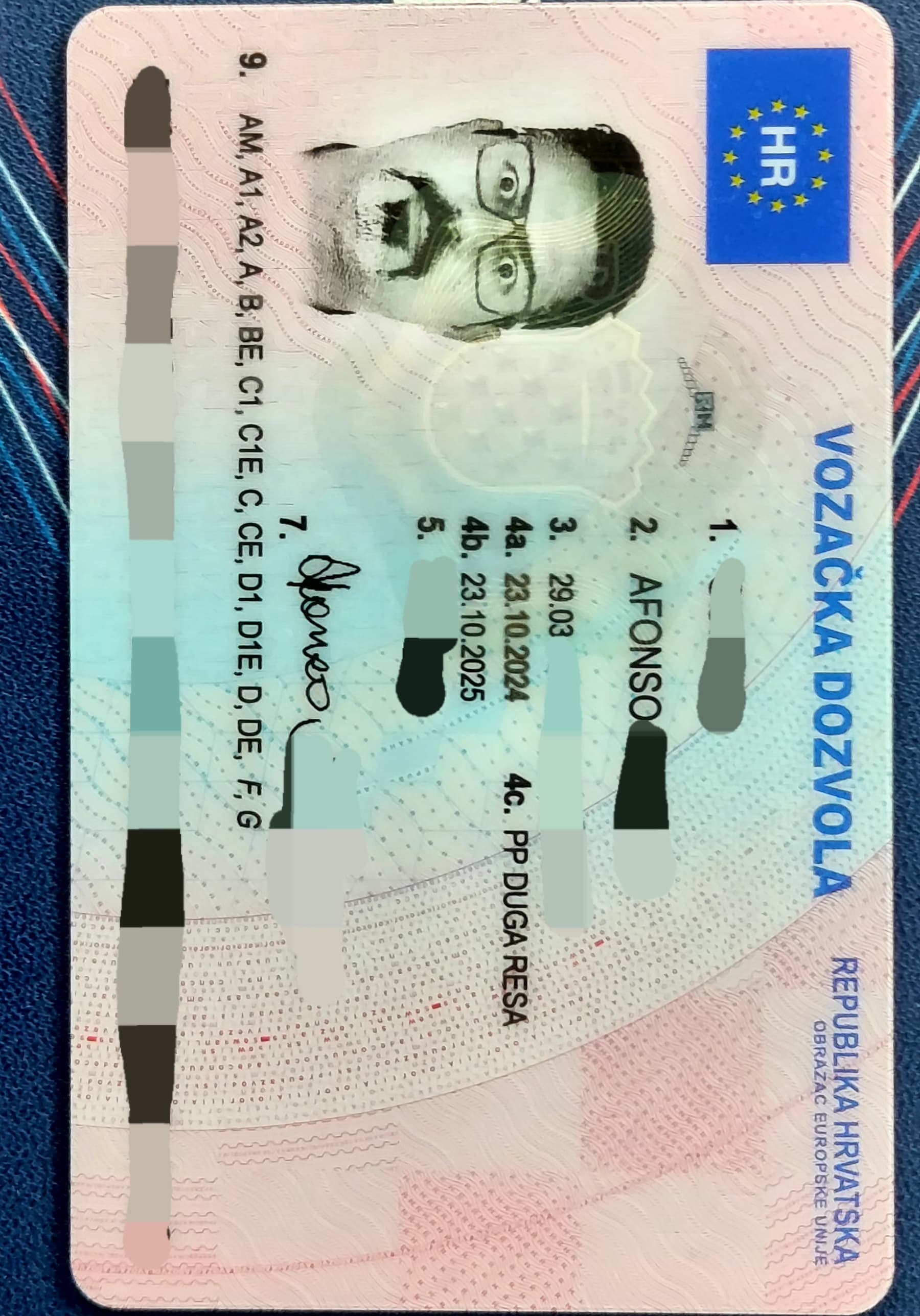




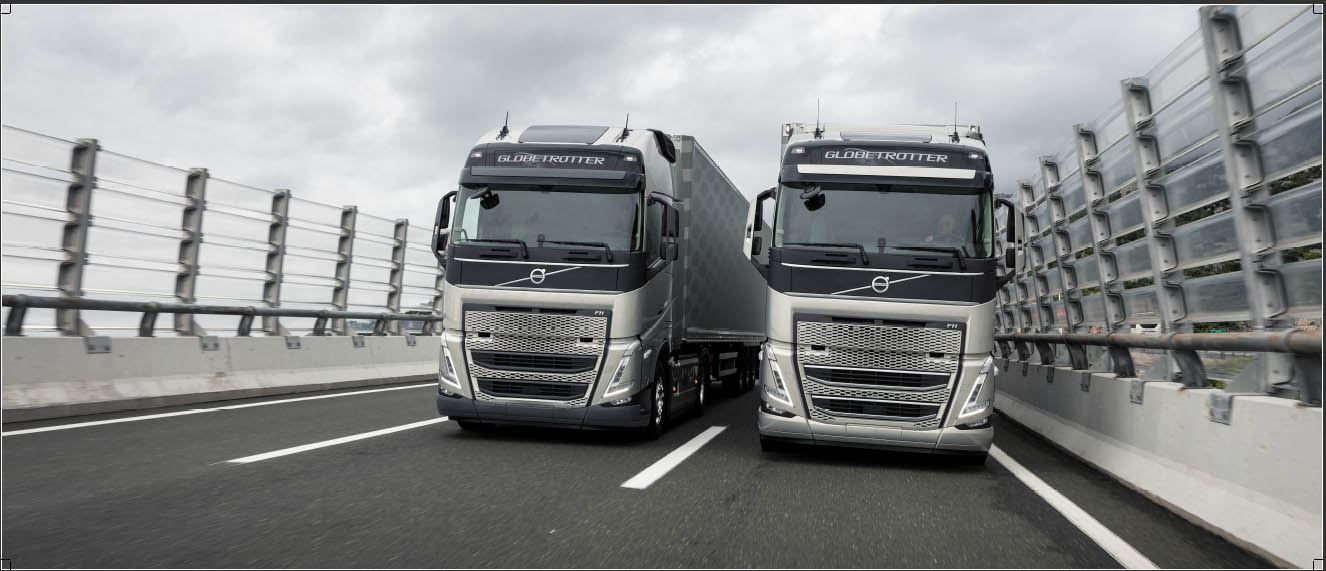
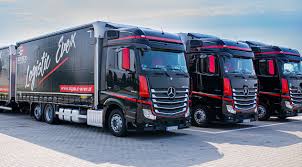


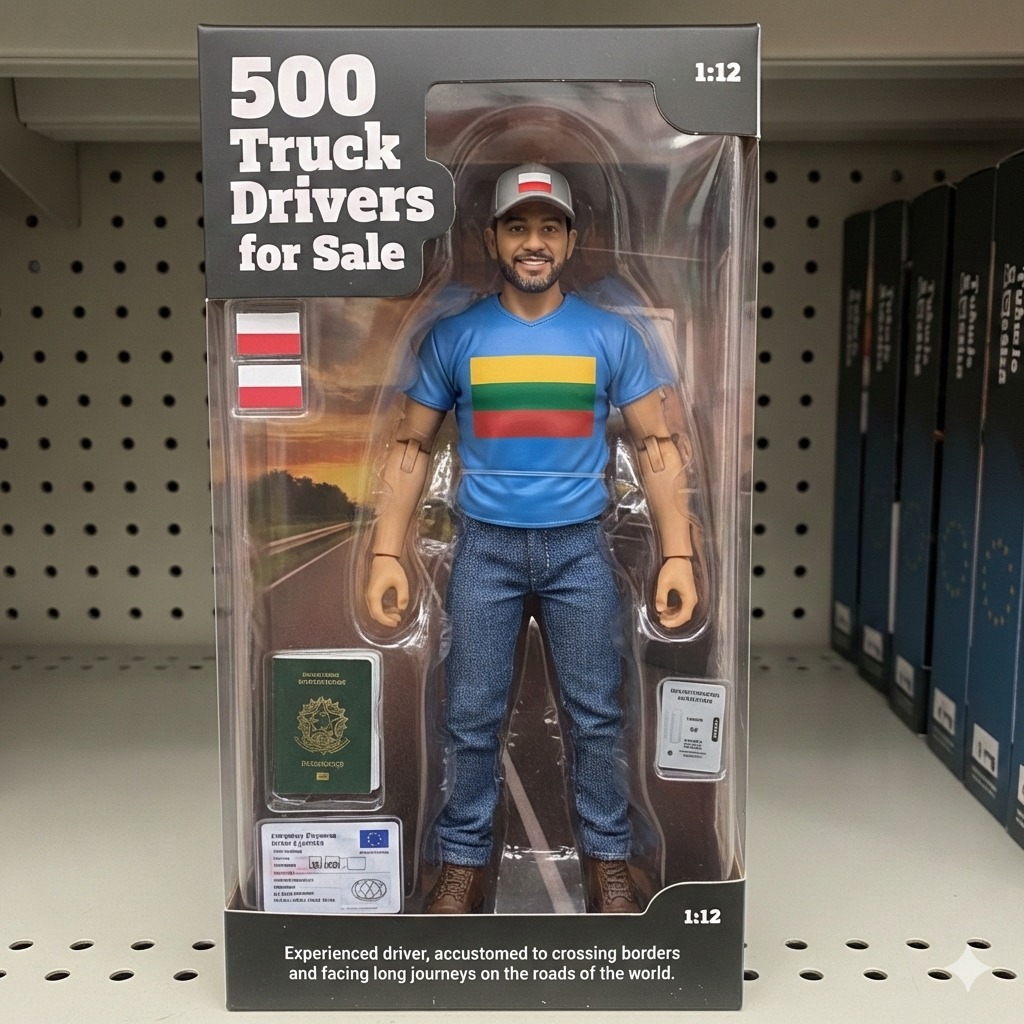

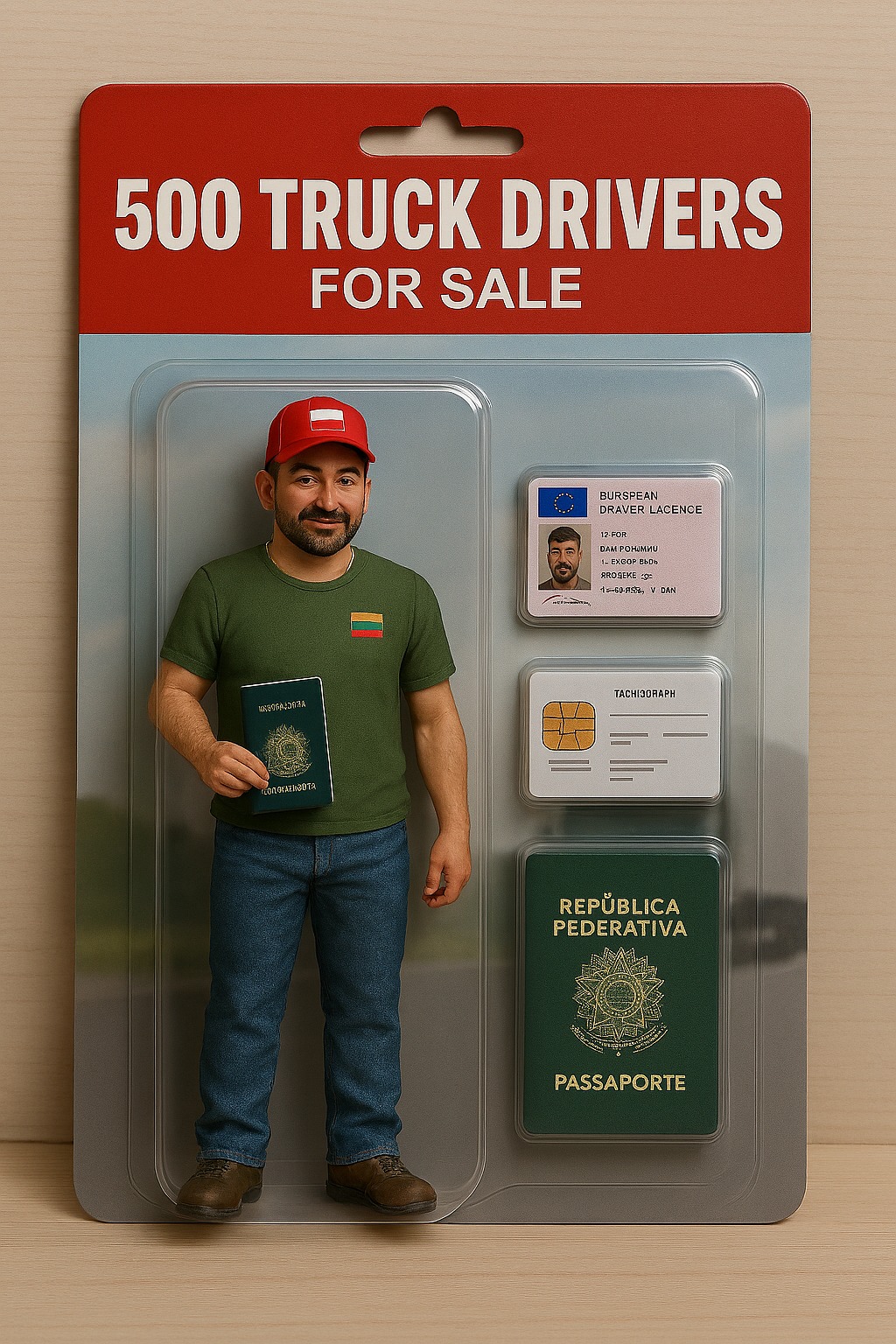







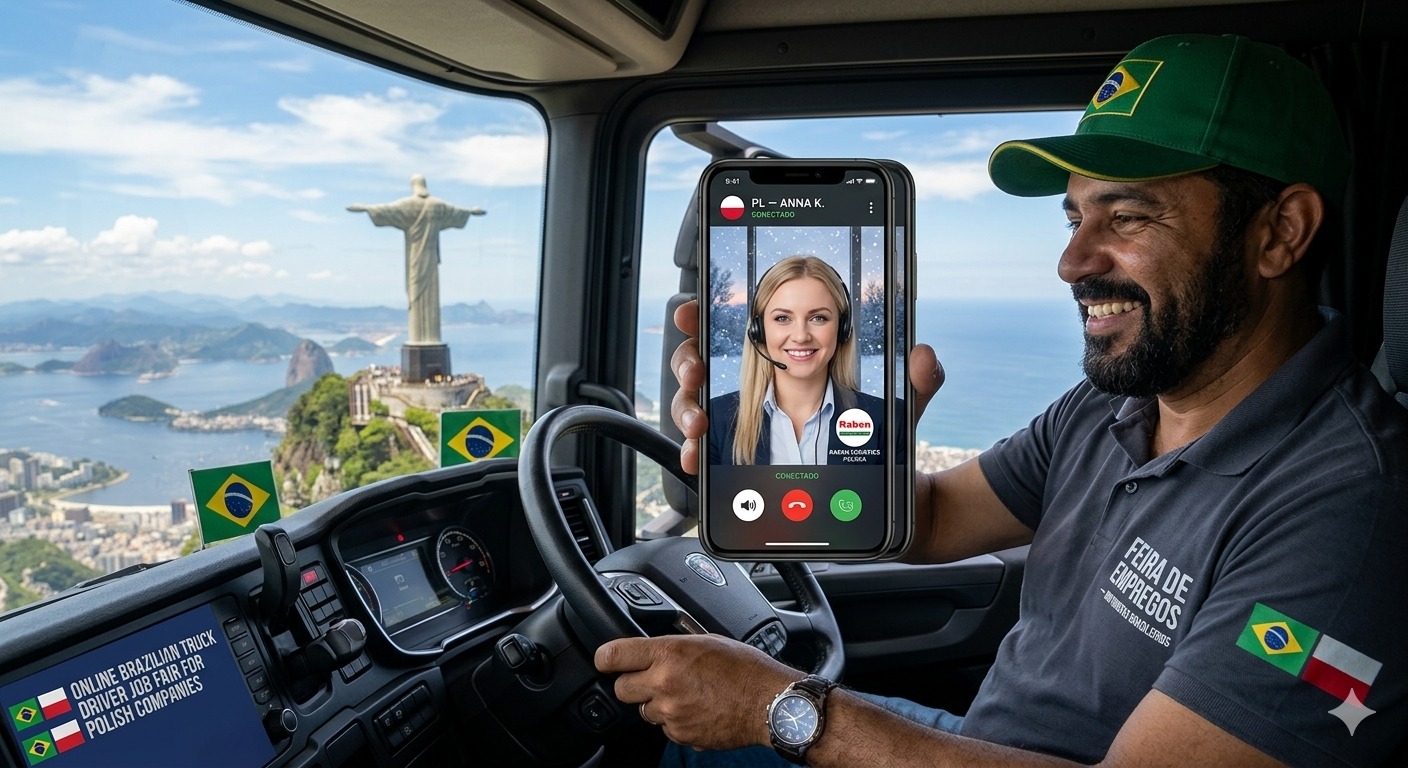


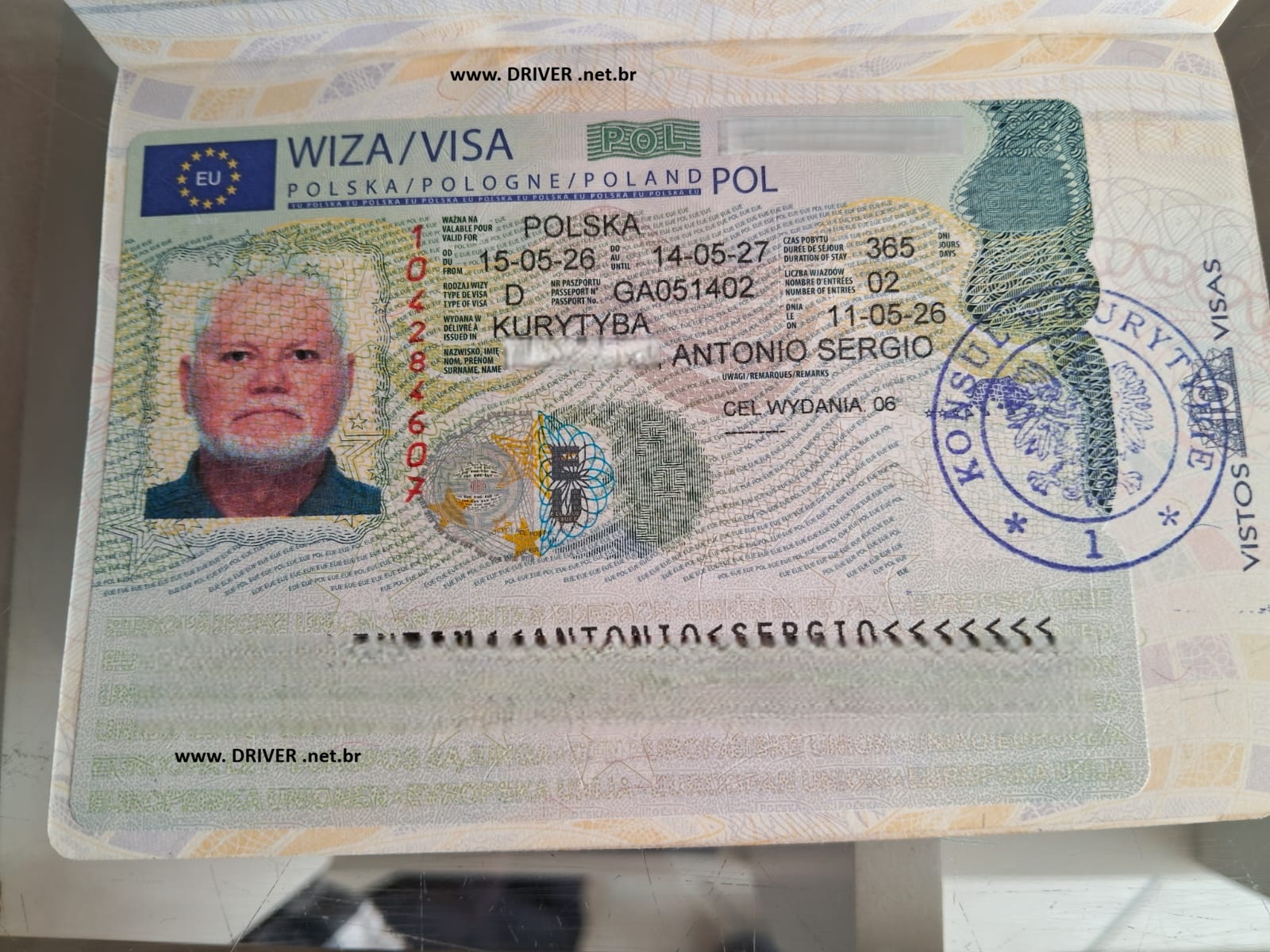





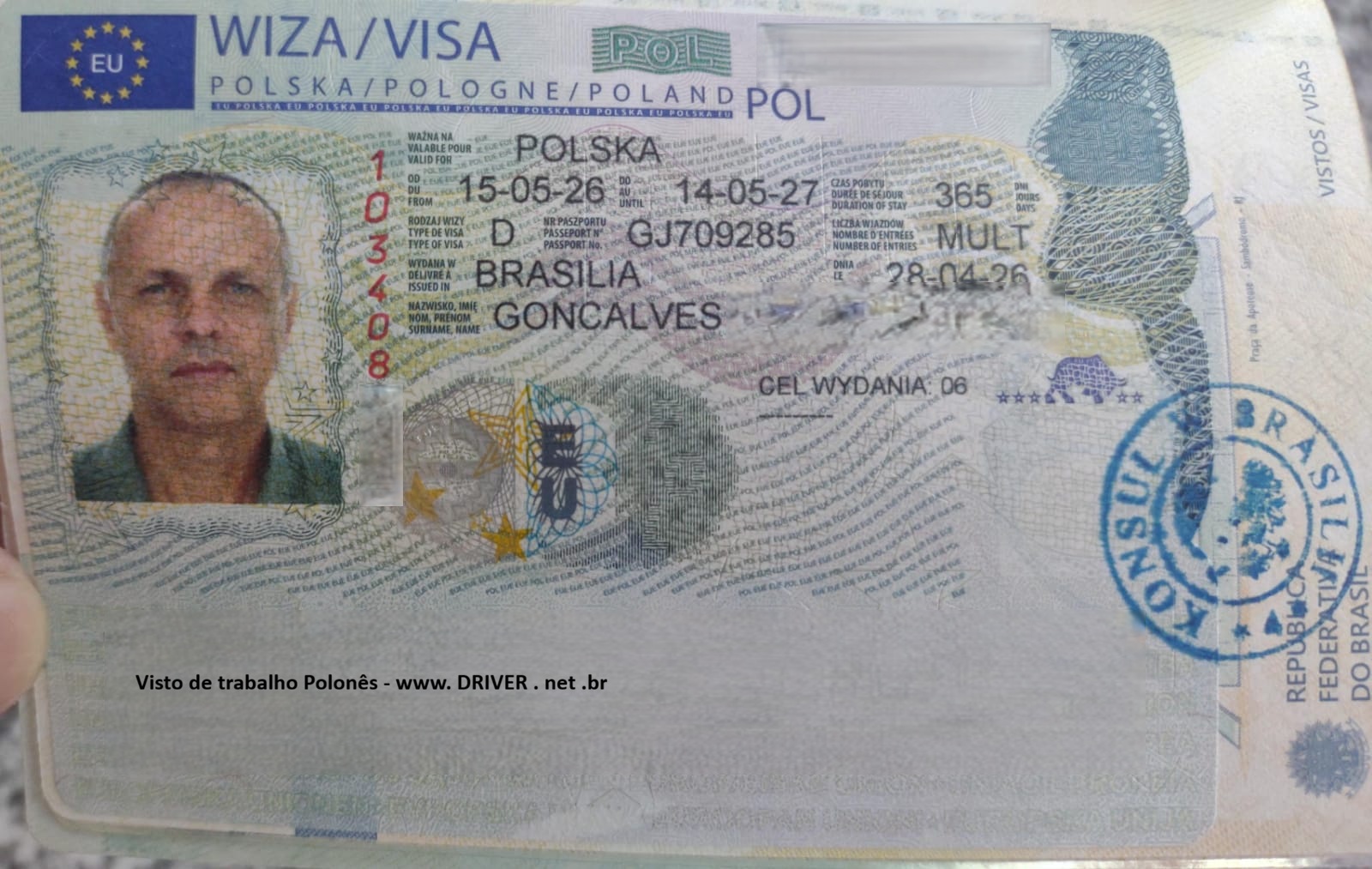



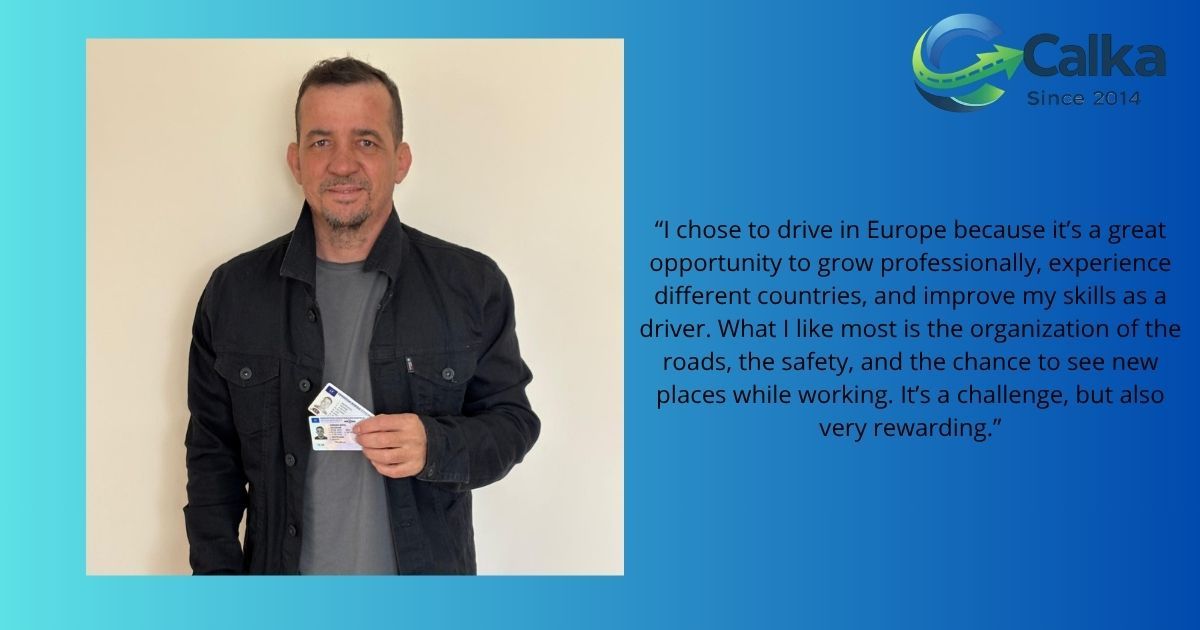



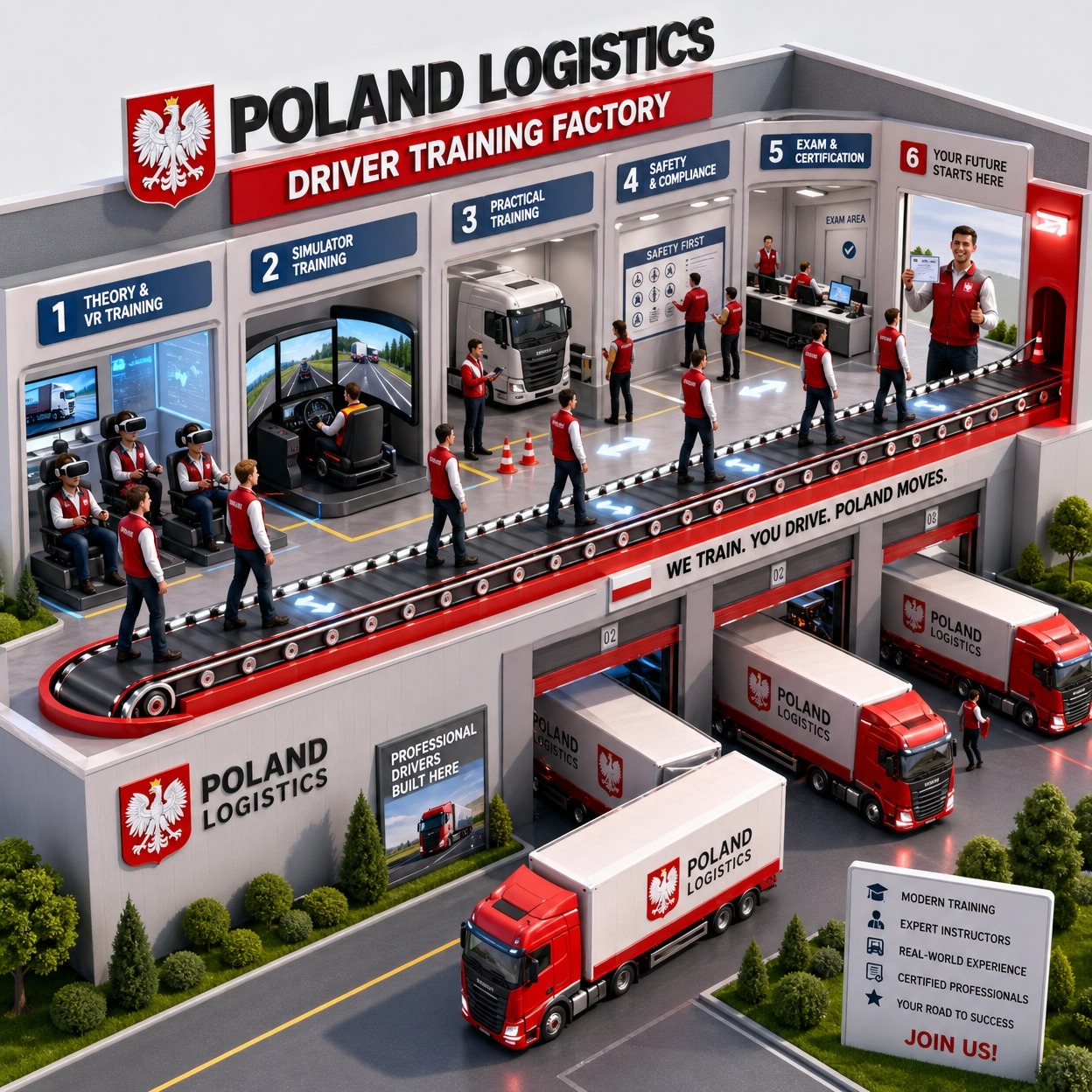
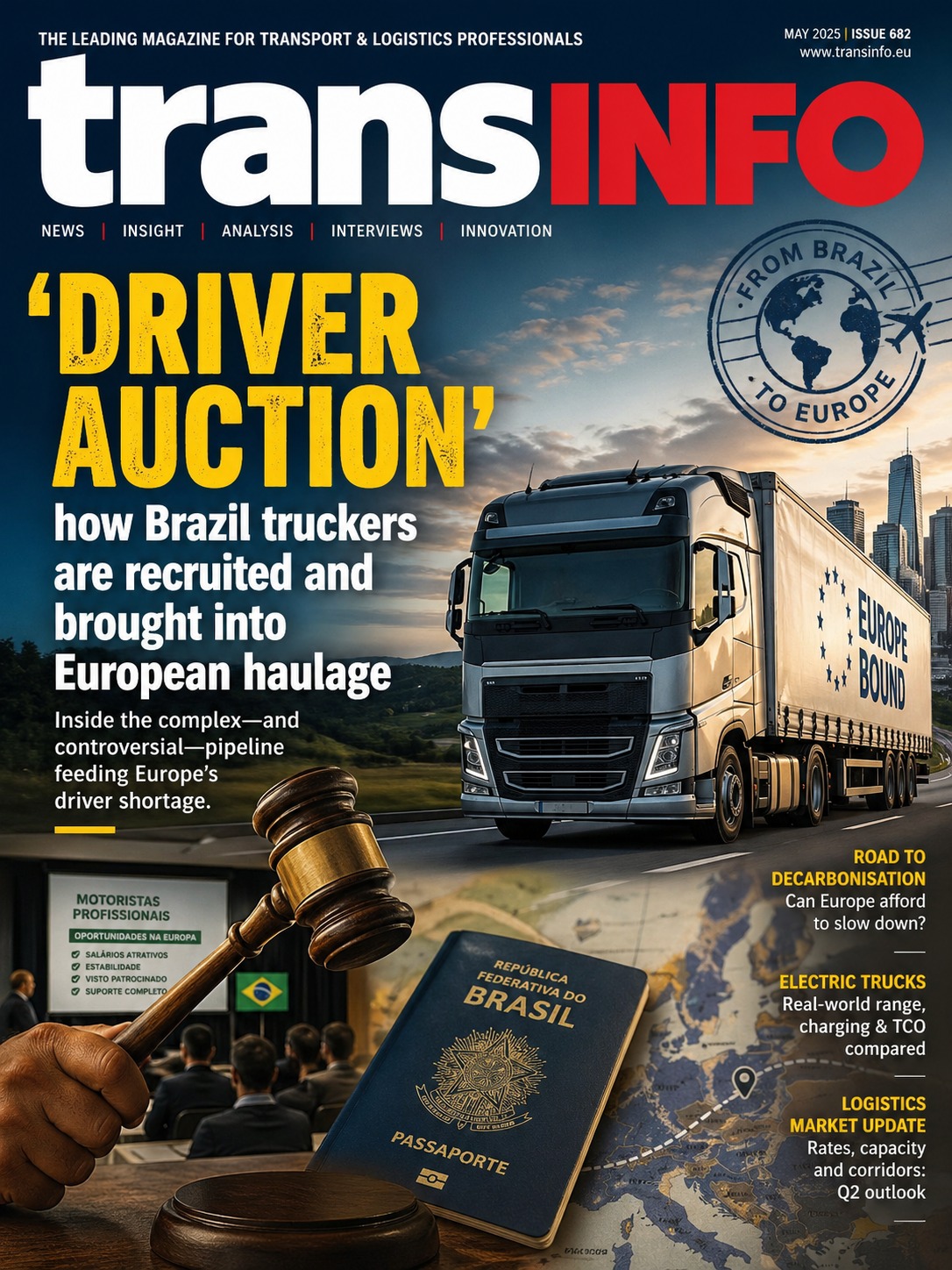




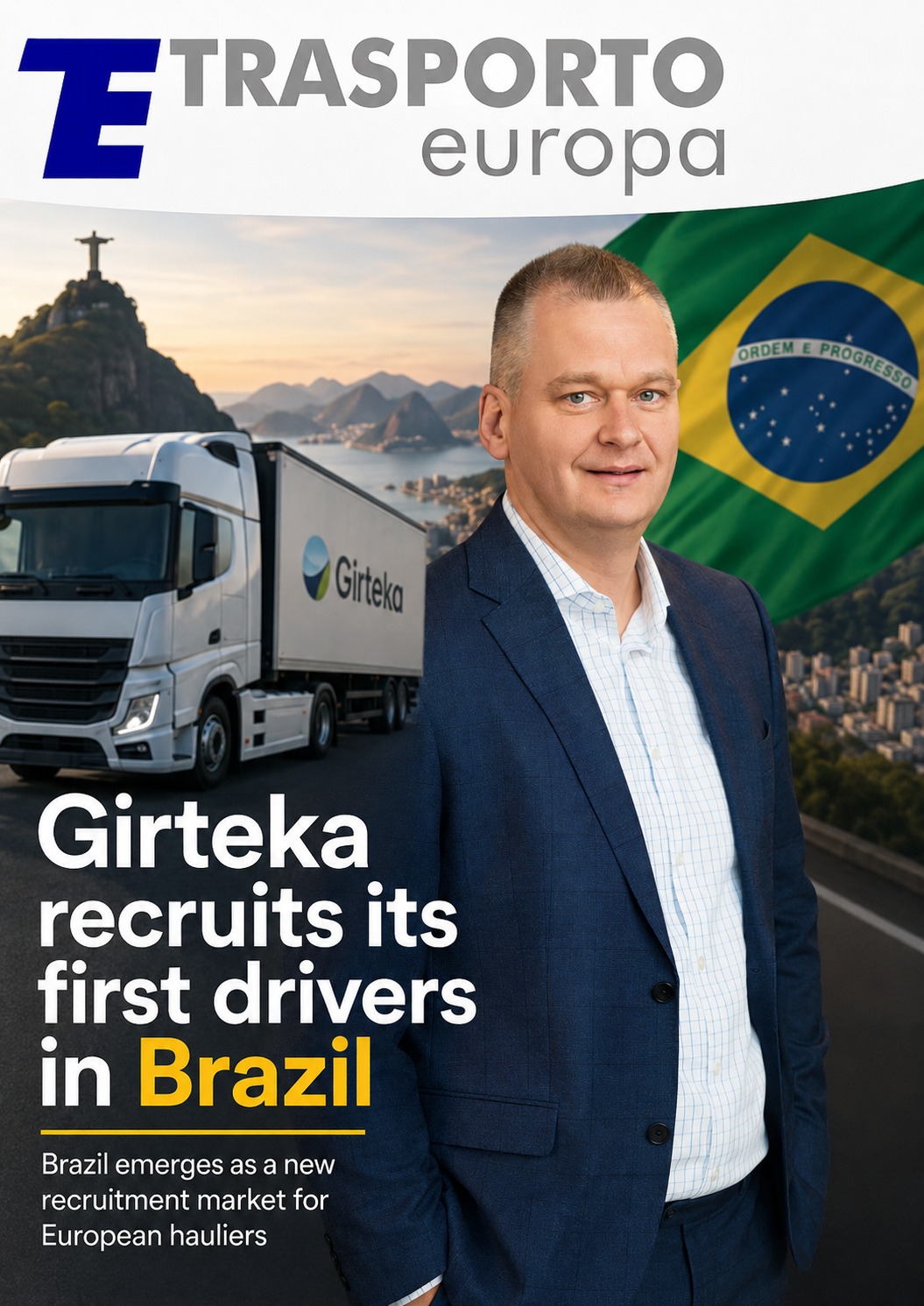
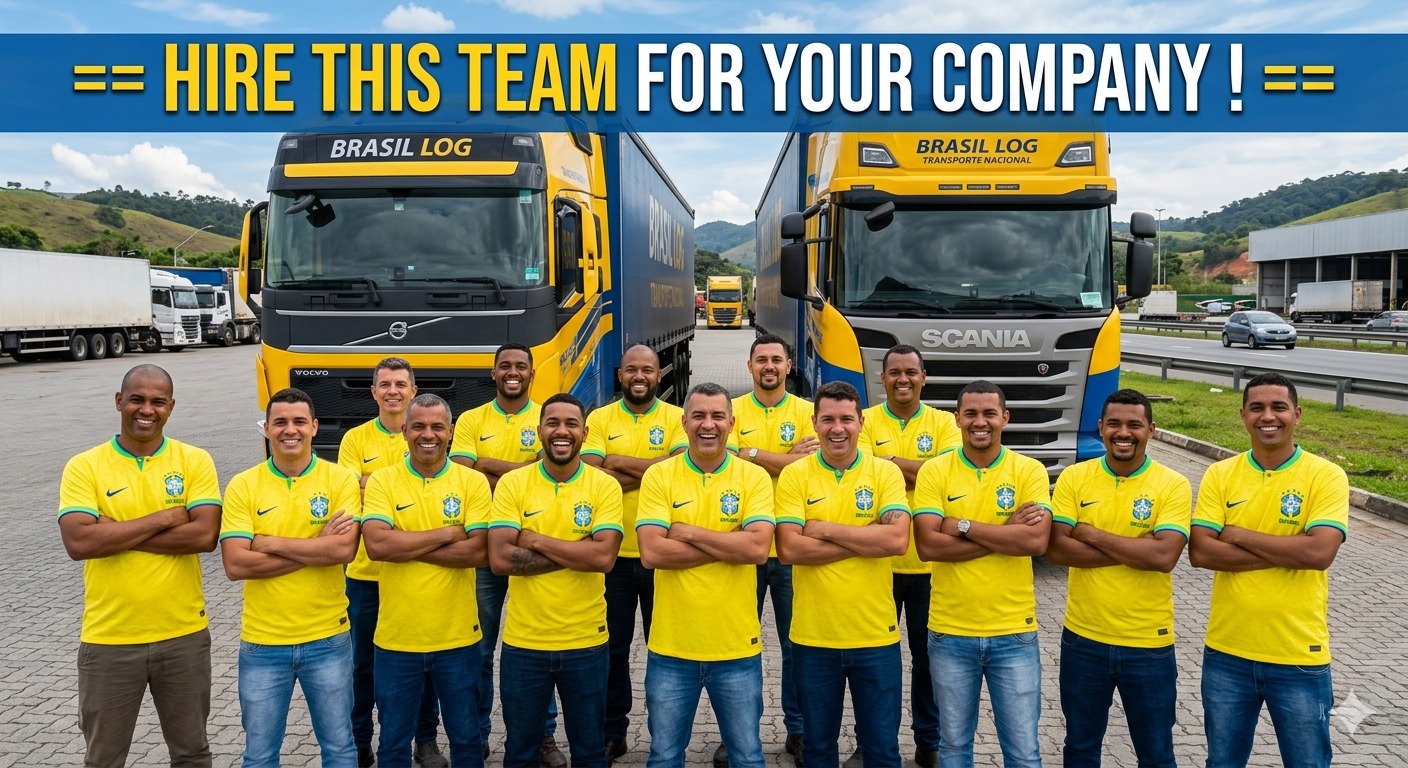
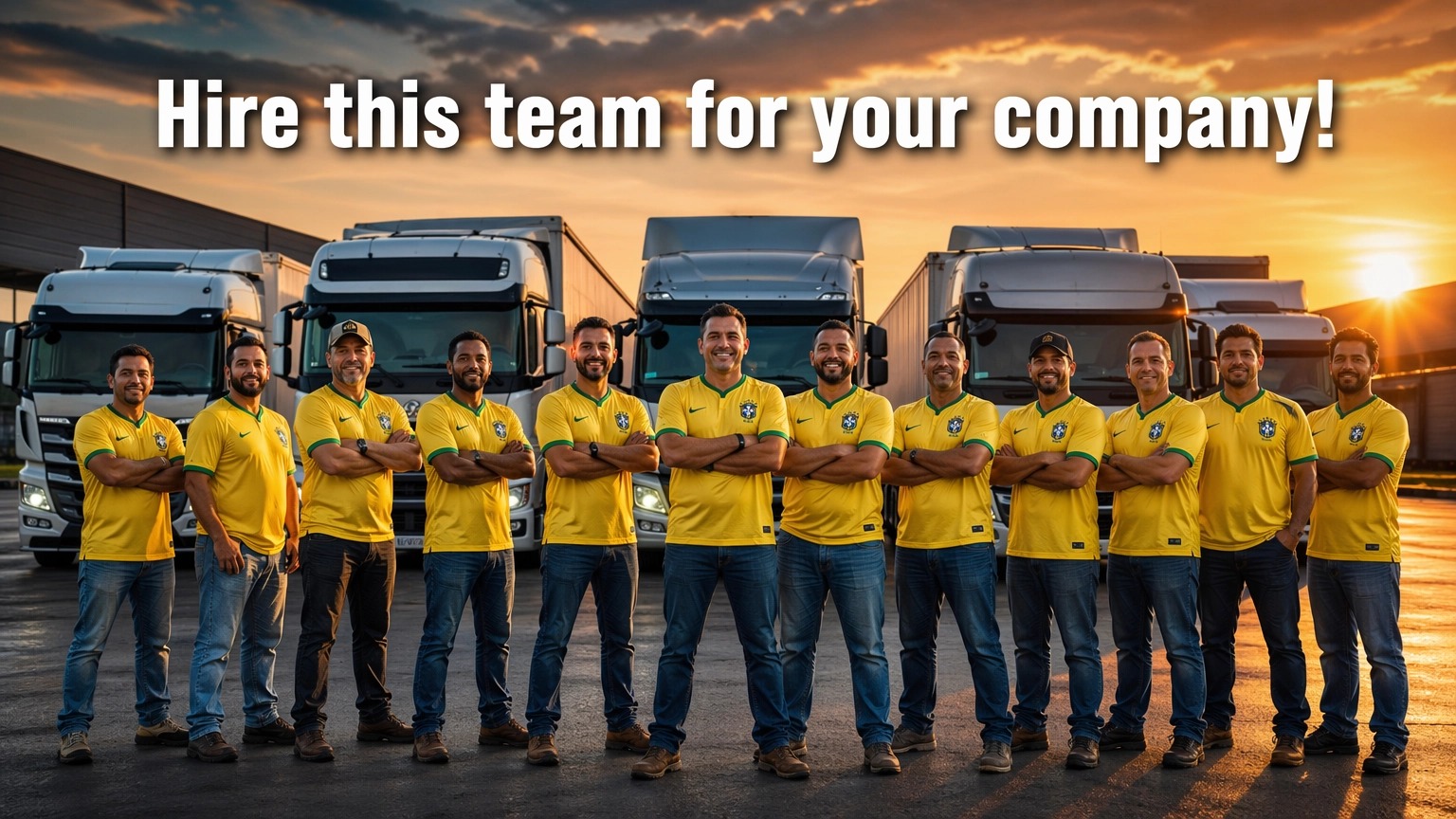
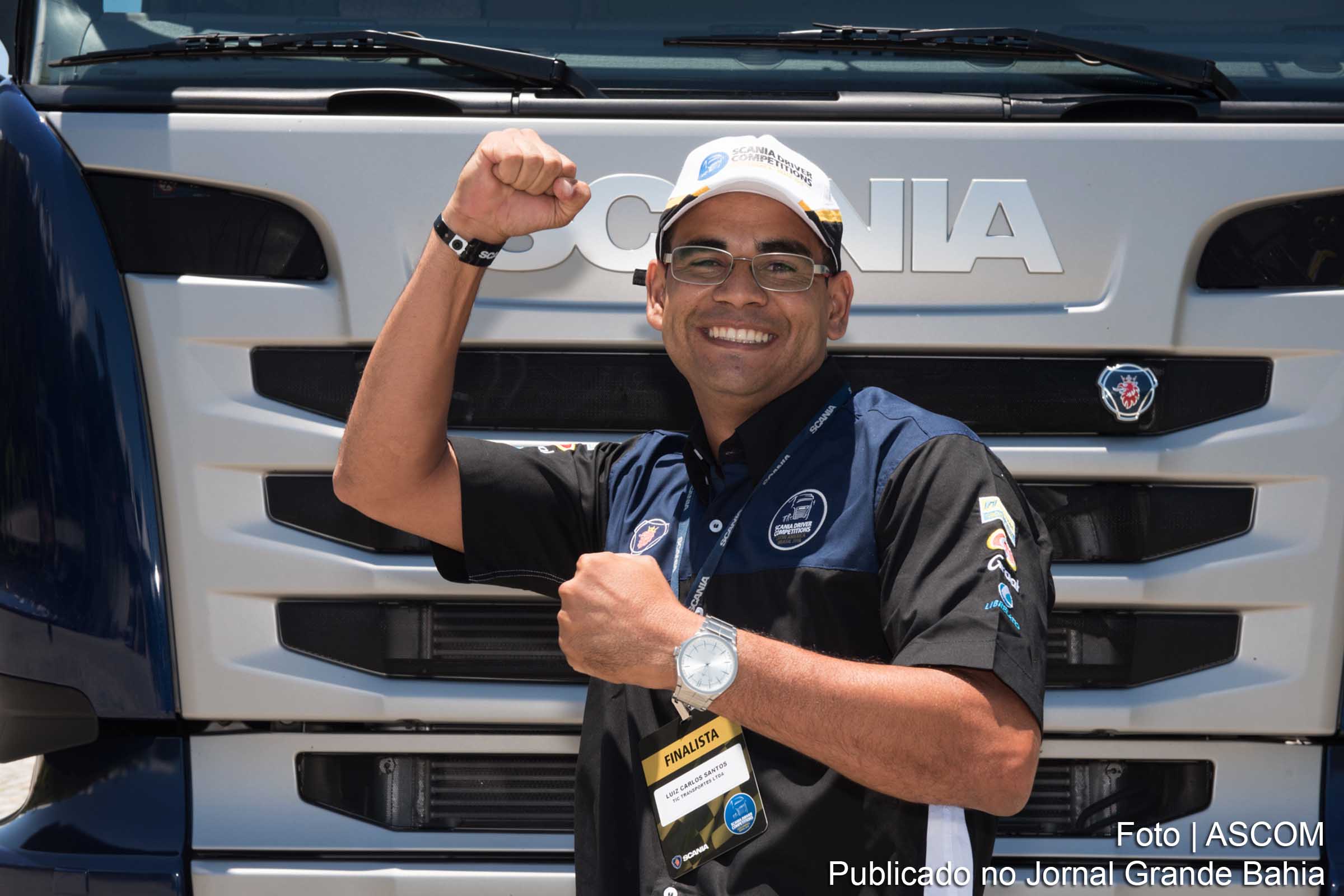

We are the agency mentioned in the Trans Info news report.
200 Brazilian truckers for an Eastern European haulier
An Eastern European haulier is interviewing candidates in Brazil to hire 200 truck drivers,
XXXXXXXXX a Lithuanian transport company headquartered in Šiauliai, held interviews with candidates for heavy-duty truck drivers in São Paulo during the first weekend of March. The aim is to hire 200 drivers from Brazil.
The event is organised by the M/Brazil agency, which specialises in international driver recruitment and staffing solutions in cross-border transport. Its founder, Marcelo Toledo, has been active in the market since 1990, focusing on sourcing drivers for work, among others, in Europe and the United States.
According to the recruitment organisers, Brazil is expected to be an answer to Europe’s structural driver shortage. They point to the experience of local drivers in long-haul transport, familiarity with heavy articulated vehicles, and a wide range of road and climate conditions.
“Differences in pay between Brazil and Europe create mobility opportunities that benefit both sides. European companies can attract qualified drivers, while Brazilian professionals gain the chance for higher earnings and career development,” the agency emphasises in its statement.
www.mbrazil.com.br
Marcelo Toledo contact WhatsApp 55 11 98935-8841
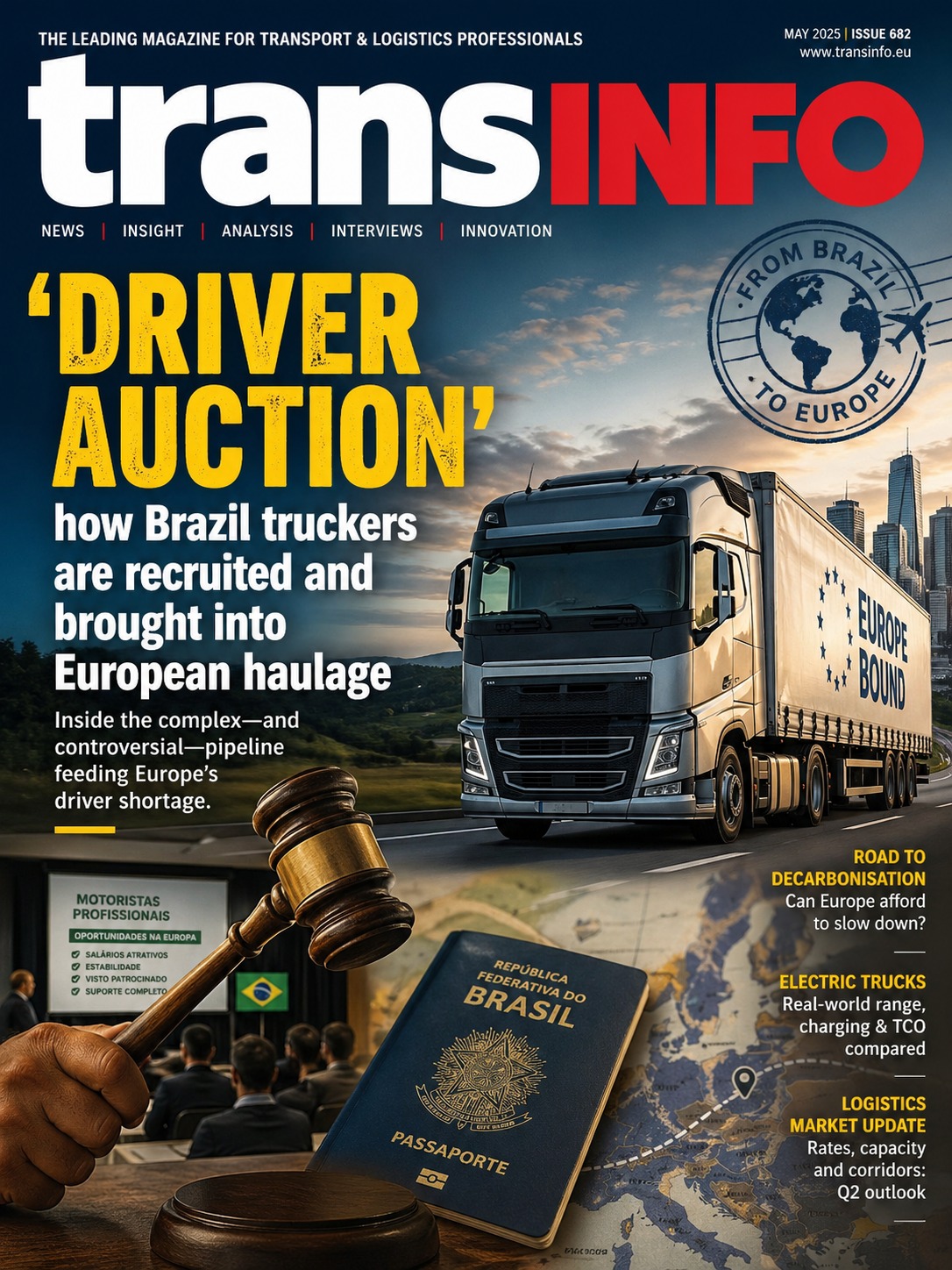
‘Driver Auction’: how Brazil truckers are recruited and brought into European haulage
Need truck drivers? Why not order them from Brazil online? That is effectively what some European hauliers can now do, using online forms and recruiter consultations to start the process. For the drivers themselves, the road to an EU cab begins with months of preparation, paperwork and money spent before they even leave home.
A Brazilian recruiter calls it a “Driver Auction”. Hauliers across Europe tell him how many truckers they expect to need over the coming year, and he looks for candidates in South America.
Drivers arrive with seven personal documents, around €800 in cash, and, in many EU countries, a work permit linked to the employer who brought them in. If that job ends, the right to stay may depend on how quickly they can move to another employer under national rules.
Answers to Trans.INFO from two industry figures show how third-country recruitment into European road haulage works in practice. One recruiter is already placing Brazilian drivers with transport firms across the bloc. The other has built a more structured programme, but is still trying to sign up its first employer.
In both cases, the route begins in the driver’s country of origin but does not end with the driver entering an EU haulage job; recruiters say they continue to help drivers even after they start the job.
A ‘Driver Auction’ aimed at smaller hauliers
Marcelo Toledo, the owner of Brazilian recruitment firm M/Brazil, also known as Caterer Brazil, runs the Brazilian end of one of these channels. He says he matches drivers with transport companies in Lithuania, Poland, Austria, Latvia, Italy and Spain.
Employers tell him how many drivers they expect to need over the coming year, and he starts looking for candidates. He calls it a “Driver Auction”, aimed in particular at smaller hauliers without the budget for large recruitment agencies.
Before departure, the driver is responsible for assembling seven personal documents:
a passport,
Brazilian driving licence,
international driving licence,
police clearance,
driving licence extract,
medical exams and reference letters.
In around 90% of cases, Toledo says, the employer covers the main relocation and entry costs — flight, hostel accommodation, Code 95 training and his agency fee. Some companies also cover meals. Drivers are still expected to arrive with around €800 in cash to cover personal expenses until their first salary.
Toledo says he has placed around 95 drivers over the past two years, mainly in Austria and Lithuania, with more due to arrive in Poland once visa procedures are completed. He puts current demand at 2,000 drivers this year, though he indicated that this figure reflects job requests and forms submitted by employers through his system rather than signed contracts alone.
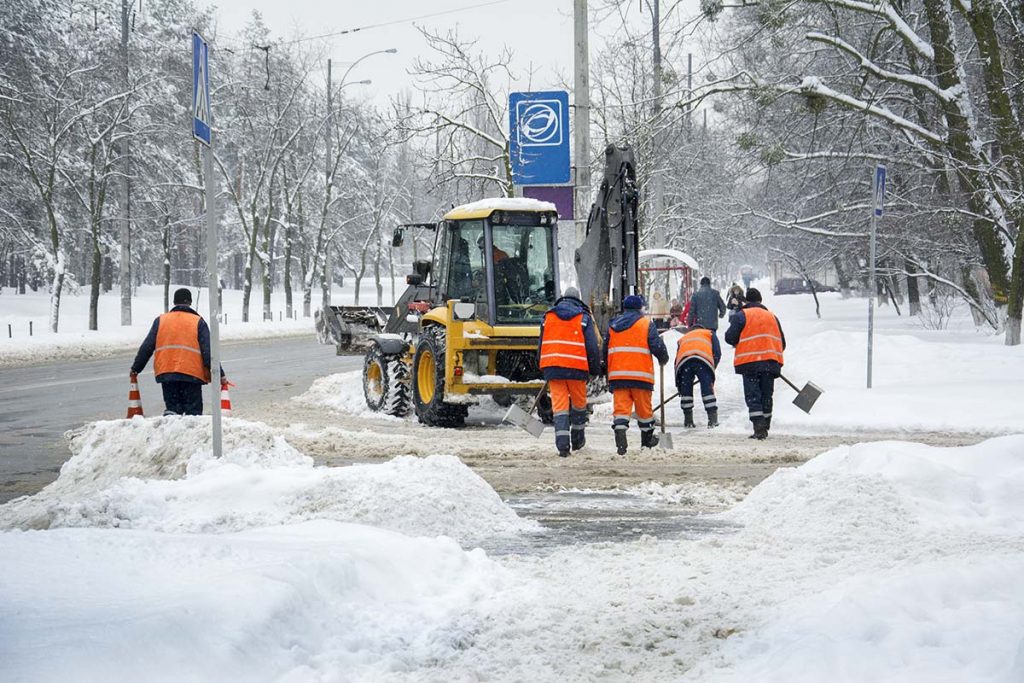
The preparation he calls “Viking” training lasts around three months. He says it is designed to help South American drivers adjust to life in Europe, including distance from family, unfamiliar working environments and, in some cases, much colder climates than they are used to. Experienced Brazilian drivers already working in Europe act as tutors for new arrivals.
Toledo says he stays involved after the driver arrives. If a worker loses the job, he says he tries to arrange new interviews quickly so the driver does not have to return to Brazil.
If a driver wants to leave a company voluntarily, he says he first tries to resolve the problem, but will look for a new placement if the driver insists. He also translates employment information into Portuguese before the contract is signed.
Our website www.mbrazil.com.br
WhatsApp +5511 9 8935 8841
---------------------------------------------
Nowy artykuł o mojej agencji został opublikowany dzisiaj na portalu Trans Info
„Aukcja Kierowców”: jak brazylijscy kierowcy ciężarówek są rekrutowani i zatrudniani w europejskim transporcie drogowym
Potrzebujesz kierowców ciężarówek? Dlaczego nie zamówić ich online z Brazylii? Właśnie to mogą teraz zrobić niektórzy europejscy przewoźnicy, korzystając z formularzy online i konsultacji z rekruterami, aby rozpocząć proces. Dla samych kierowców droga do taksówki w UE zaczyna się od miesięcy przygotowań, formalności i wydanych pieniędzy, zanim jeszcze wyjadą z domu.
Brazylijski rekruter nazywa to „Aukcją Kierowców”. Przewoźnicy z całej Europy informują go, ilu kierowców ciężarówek spodziewają się zatrudnić w nadchodzącym roku, a on szuka kandydatów w Ameryce Południowej. Kierowcy przyjeżdżają z siedmioma dokumentami osobistymi, około 800 euro w gotówce, a w wielu krajach UE również z pozwoleniem na pracę powiązanym z pracodawcą, który ich zatrudnił. Jeśli praca się zakończy, prawo do pobytu może zależeć od tego, jak szybko będą mogli przenieść się do innego pracodawcy zgodnie z przepisami krajowymi.
Odpowiedzi dla Trans.INFO od dwóch przedstawicieli branży pokazują, jak w praktyce wygląda rekrutacja z krajów trzecich do europejskiego transportu drogowego. Jeden z rekruterów już zatrudnia brazylijskich kierowców w firmach transportowych w całej Unii. Drugi stworzył bardziej ustrukturyzowany program, ale wciąż stara się znaleźć pierwszego pracodawcę.
W obu przypadkach trasa rozpoczyna się w kraju pochodzenia kierowcy, ale nie kończy się wraz z podjęciem przez niego pracy w transporcie w UE; rekruterzy twierdzą, że nadal pomagają kierowcom nawet po rozpoczęciu pracy.
„Aukcja Kierowców” skierowana do mniejszych przewoźników
Marcelo Toledo, właściciel brazylijskiej firmy rekrutacyjnej M/Brazil, znanej również jako Caterer Brazil, zarządza brazylijską stroną jednego z tych kanałów. Mówi, że łączy kierowców z firmami transportowymi na Litwie, w Polsce, Austrii, Łotwie, Włoszech i Hiszpanii. Pracodawcy informują go, ilu kierowców spodziewają się zatrudnić w nadchodzącym roku, a on zaczyna szukać kandydatów. Nazywa to „Aukcją Kierowców”, skierowaną w szczególności do mniejszych przewoźników, którzy nie dysponują budżetem dużych agencji rekrutacyjnych.
Przed wyjazdem kierowca jest odpowiedzialny za skompletowanie siedmiu dokumentów osobistych:
paszportu,
brazylijskiego prawa jazdy,
międzynarodowego prawa jazdy,
zaświadczenia o niekaralności,
wyciągu z prawa jazdy,
badań lekarskich i listów referencyjnych.
W około 90% przypadków, jak mówi Toledo, pracodawca pokrywa główne koszty przeprowadzki i wjazdu – przelot, zakwaterowanie w hostelu, szkolenie z Kodeksu 95 i prowizję agencyjną. Niektóre firmy zapewniają również wyżywienie. Kierowcy nadal powinni posiadać około 800 euro w gotówce na pokrycie wydatków osobistych do momentu otrzymania pierwszej pensji.
Toledo mówi, że w ciągu ostatnich dwóch lat zatrudnił około 95 kierowców, głównie w Austrii i na Litwie, a po zakończeniu procedur wizowych spodziewa się przyjazdu kolejnych do Polski. Szacuje on, że w tym roku zapotrzebowanie na pracę wyniesie 2000 kierowców, choć zaznaczył, że liczba ta odzwierciedla raczej prośby o pracę i formularze składane przez pracodawców za pośrednictwem jego systemu, a nie wyłącznie podpisane umowy.
Przygotowania, które nazywa szkoleniem „Wiking”, trwają około trzech miesięcy. Mówi, że program ma pomóc kierowcom z Ameryki Południowej w dostosowaniu się do życia w Europie, w tym do odległości od rodziny, nieznanych warunków pracy, a w niektórych przypadkach do znacznie chłodniejszego klimatu niż ten, do którego są przyzwyczajeni. Doświadczeni brazylijscy kierowcy pracujący już w Europie pełnią rolę nauczycieli dla nowo przybyłych.
Toledo mówi, że pozostaje zaangażowany po przyjeździe kierowcy. Jeśli pracownik traci pracę, stara się szybko umówić go na nowe rozmowy kwalifikacyjne, aby nie musiał wracać do Brazylii. Jeśli kierowca chce dobrowolnie odejść z firmy, mówi, że najpierw stara się rozwiązać problem, ale jeśli kierowca nalega, poszuka nowego miejsca pracy. Tłumaczy również informacje o zatrudnieniu na język portugalski przed podpisaniem umowy.
-------------------------------------------------------------------
Šiandien „Trans Info“ portale paskelbtas naujas straipsnis apie mano agentūrą.
„Vairuotojų aukcionas“: kaip Brazilijos sunkvežimių vairuotojai įdarbinami ir įtraukiami į Europos krovinių gabenimo sektorių
Reikia sunkvežimių vairuotojų? Kodėl gi neužsakant jų iš Brazilijos internetu? Būtent tai dabar gali padaryti kai kurie Europos vežėjai, pradėdami procesą naudodami internetines formas ir konsultuodamiesi su įdarbintojais. Patiems vairuotojams kelias į ES taksi prasideda nuo mėnesių pasiruošimo, dokumentų tvarkymo ir pinigų išleidimo dar prieš jiems išvykstant iš namų.
Brazilijos įdarbintojas tai vadina „vairuotojų aukcionu“. Vežėjai visoje Europoje praneša jam, kiek sunkvežimių vairuotojų jiems reikės ateinančiais metais, o jis ieško kandidatų Pietų Amerikoje. Vairuotojai atvyksta su septyniais asmens dokumentais, apie 800 eurų grynaisiais ir, daugelyje ES šalių, darbo leidimu, susietu su darbdaviu, kuris juos atvežė. Jei šis darbas baigiasi, teisė pasilikti gali priklausyti nuo to, kaip greitai jie gali pereiti pas kitą darbdavį pagal nacionalines taisykles.
Dviejų pramonės atstovų atsakymai „Trans.INFO“ rodo, kaip praktiškai veikia trečiųjų šalių įdarbinimas Europos krovinių gabenimo sektoriui. Vienas įdarbintojas jau įdarbina Brazilijos vairuotojus transporto įmonėse visame bloke. Kita įmonė sukūrė labiau struktūrizuotą programą, tačiau vis dar bando užregistruoti savo pirmąjį darbdavį.
Abiem atvejais maršrutas prasideda vairuotojo kilmės šalyje, bet nesibaigia vairuotojui įsidarbinant ES vežėju; įdarbintojai teigia, kad jie ir toliau padeda vairuotojams net ir pradėjus darbą.
„Vairuotojų aukcionas“, skirtas mažesniems vežėjams
Marcelo Toledo, Brazilijos įdarbinimo įmonės „M/Brazil“, dar žinomos kaip „Caterer Brazil“, savininkas, valdo vieno iš šių kanalų Brazilijos padalinį. Jis teigia, kad suranda vairuotojus su transporto įmonėmis Lietuvoje, Lenkijoje, Austrijoje, Latvijoje, Italijoje ir Ispanijoje. Darbdaviai jam praneša, kiek vairuotojų jiems reikės ateinančiais metais, ir jis pradeda ieškoti kandidatų. Jis tai vadina „vairuotojų aukcionu“, skirtu ypač mažesniems vežėjams, neturintiems didelių įdarbinimo agentūrų biudžeto.
Prieš išvykstant vairuotojas turi surinkti septynis asmens dokumentus:
pasą,
Brazilijos vairuotojo pažymėjimą,
tarptautinį vairuotojo pažymėjimą,
policijos leidimą,
vairuotojo pažymėjimo išrašą,
medicinines apžiūras ir rekomendacijas.
Pasak Toledo, maždaug 90 % atvejų darbdavys padengia pagrindines perkėlimo ir atvykimo išlaidas – skrydį, apgyvendinimą bendrabutyje, 95 kodekso mokymus ir jo agentūros mokestį. Kai kurios įmonės taip pat padengia maitinimą. Tikimasi, kad vairuotojai atvyks su maždaug 800 eurų grynaisiais, kad padengtų asmenines išlaidas iki pirmojo atlyginimo.
Toledo teigia, kad per pastaruosius dvejus metus jis įdarbino apie 95 vairuotojus, daugiausia Austrijoje ir Lietuvoje, o dar daugiau jų turėtų atvykti į Lenkiją, kai bus baigtos vizų gavimo procedūros. Jis teigia, kad šiais metais reikia 2000 vairuotojų, nors nurodė, kad šis skaičius atspindi darbo prašymus ir formas, kurias darbdaviai pateikė per jo sistemą, o ne vien pasirašytas sutartis.
Pasiruošimas, kurį jis vadina „Viking“ mokymais, trunka apie tris mėnesius. Jis teigia, kad jis skirtas padėti Pietų Amerikos vairuotojams prisitaikyti prie gyvenimo Europoje, įskaitant atstumą nuo šeimos, nepažįstamą darbo aplinką ir kai kuriais atvejais daug šaltesnį klimatą, nei jie yra įpratę. Patyrę Brazilijos vairuotojai, jau dirbantys Europoje, dirba kaip mokytojai naujai atvykusiems.
Toledo teigia, kad jis lieka įsitraukęs ir vairuotojui atvykus. Jei darbuotojas netenka darbo, jis teigia stengiantis kuo greičiau suorganizuoti naujus pokalbius, kad vairuotojui nereikėtų grįžti į Braziliją. Jei vairuotojas nori savanoriškai palikti įmonę, jis teigia pirmiausia bandantis išspręsti problemą, bet ieškos naujos darbo vietos, jei vairuotojas to reikalaus. Prieš pasirašydamas sutartį, jis taip pat išverčia informaciją apie įdarbinimą į portugalų kalbą.
---------------------------------------------------------
Oggi è stato pubblicato un nuovo articolo sulla mia agenzia sul portale Trans Info.
"Asta di autisti": come vengono reclutati e inseriti nel settore del trasporto merci europeo i camionisti brasiliani
Avete bisogno di camionisti? Perché non ordinarli online dal Brasile? È proprio quello che alcuni autotrasportatori europei possono fare, utilizzando moduli online e consulenze con agenzie di reclutamento per avviare la procedura. Per gli autisti stessi, il percorso verso una cabina di guida in Europa inizia con mesi di preparazione, pratiche burocratiche e spese, ancor prima di partire da casa.
Un reclutatore brasiliano la definisce un'"asta di autisti". Gli autotrasportatori di tutta Europa gli comunicano il numero di camionisti di cui prevedono di aver bisogno nell'anno a venire, e lui cerca candidati in Sud America. Gli autisti arrivano con sette documenti personali, circa 800 euro in contanti e, in molti paesi dell'UE, un permesso di lavoro legato al datore di lavoro che li ha assunti. Se quel lavoro termina, il diritto di rimanere può dipendere dalla rapidità con cui riescono a trovare un altro datore di lavoro, nel rispetto delle normative nazionali.
Le risposte fornite a Trans.INFO da due esperti del settore mostrano come funziona in pratica il reclutamento di camionisti da paesi terzi nel settore del trasporto merci su strada europeo. Un'agenzia di reclutamento sta già collocando autisti brasiliani presso aziende di trasporto in tutta l'UE. L'altra ha sviluppato un programma più strutturato, ma sta ancora cercando di acquisire il suo primo cliente.
In entrambi i casi, il percorso inizia nel paese d'origine dell'autista, ma non si conclude con l'assunzione in un'azienda di autotrasporti dell'UE; le agenzie di reclutamento affermano di continuare ad assistere gli autisti anche dopo l'inizio del lavoro.
Un'"asta di autisti" rivolta alle piccole aziende di autotrasporti
Marcelo Toledo, titolare dell'agenzia di reclutamento brasiliana M/Brazil, nota anche come Caterer Brazil, gestisce la sezione brasiliana di uno di questi canali. Afferma di mettere in contatto gli autisti con aziende di trasporto in Lituania, Polonia, Austria, Lettonia, Italia e Spagna. I datori di lavoro gli comunicano il numero di autisti di cui prevedono di aver bisogno nell'anno successivo e lui inizia la ricerca dei candidati. La definisce un'"asta di autisti", rivolta in particolare alle piccole aziende di autotrasporti che non dispongono del budget necessario per le grandi agenzie di reclutamento.
Prima della partenza, l'autista deve procurarsi sette documenti personali:
passaporto,
patente di guida brasiliana,
patente di guida internazionale,
certificato penale,
estratto della patente di guida,
certificati medici e lettere di referenze.
Nel 90% circa dei casi, afferma Toledo, il datore di lavoro si fa carico delle principali spese di trasferimento e ingresso: volo, alloggio in ostello, formazione per la patente di guida (Codice 95) e la sua commissione d'agenzia. Alcune aziende coprono anche i pasti. Gli autisti devono comunque arrivare con circa 800 euro in contanti per coprire le spese personali fino al primo stipendio.
Toledo afferma di aver collocato circa 95 autisti negli ultimi due anni, principalmente in Austria e Lituania, e che altri arriveranno in Polonia una volta completate le procedure per il visto. Stima una domanda attuale di 2.000 autisti quest'anno, sebbene preveda che questa cifra rifletta le richieste di lavoro e i moduli inviati dai datori di lavoro tramite il suo sistema, piuttosto che i soli contratti firmati.
La preparazione, che lui chiama "addestramento vichingo", dura circa tre mesi. Afferma che il programma è pensato per aiutare gli autisti sudamericani ad adattarsi alla vita in Europa, compresa la distanza dalla famiglia, gli ambienti di lavoro sconosciuti e, in alcuni casi, i climi molto più freddi di quelli a cui sono abituati. Autisti brasiliani esperti che già lavorano in Europa fungono da tutor per i nuovi arrivati.
Toledo afferma di rimanere coinvolto anche dopo l'arrivo dell'autista. Se un lavoratore perde il lavoro, cerca di organizzare rapidamente nuovi colloqui in modo che l'autista non debba tornare in Brasile. Se un autista desidera lasciare volontariamente un'azienda, cerca prima di tutto di risolvere il problema, ma se l'autista insiste, gli cerca una nuova collocazione. Traduce inoltre le informazioni sull'impiego in portoghese prima della firma del contratto.
------------------------------
Hoy se publicó un nuevo artículo sobre mi agencia en el portal Trans Info.
«Subasta de Conductores»: cómo se reclutan y contratan camioneros brasileños para el transporte europeo
¿Necesita conductores de camión? ¿Por qué no contratarlos online desde Brasil? Eso es precisamente lo que algunas empresas de transporte europeas pueden hacer ahora, utilizando formularios online y consultas con reclutadores para iniciar el proceso. Para los conductores, el camino hacia un puesto en la UE comienza con meses de preparación, papeleo y una importante inversión antes incluso de salir de casa.
Un reclutador brasileño lo denomina «Subasta de Conductores». Las empresas de transporte de toda Europa le indican cuántos camioneros prevén necesitar durante el próximo año, y él busca candidatos en Sudamérica. Los conductores llegan con siete documentos personales, unos 800 € en efectivo y, en muchos países de la UE, un permiso de trabajo vinculado a la empresa que los contrató. Si finaliza ese trabajo, el derecho a permanecer en el país puede depender de la rapidez con la que puedan cambiar de empresa según la normativa nacional.
Las respuestas a Trans.INFO de dos expertos del sector muestran cómo funciona en la práctica la contratación de camioneros de terceros países para el transporte por carretera europeo. Una agencia de reclutamiento ya está colocando conductores brasileños en empresas de transporte de toda la UE. La otra ha desarrollado un programa más estructurado, pero aún busca su primer empleador.
En ambos casos, el proceso comienza en el país de origen del conductor, pero no termina con su incorporación a un trabajo de transporte en la UE; las agencias de reclutamiento afirman que siguen ayudando a los conductores incluso después de que comienzan a trabajar.
Una «Subasta de Conductores» dirigida a pequeñas empresas de transporte
Marcelo Toledo, propietario de la agencia de reclutamiento brasileña M/Brazil, también conocida como Caterer Brazil, gestiona la filial brasileña de uno de estos canales. Explica que conecta a conductores con empresas de transporte en Lituania, Polonia, Austria, Letonia, Italia y España. Los empleadores le indican cuántos conductores prevén necesitar durante el próximo año, y él comienza la búsqueda de candidatos. Lo denomina «Subasta de Conductores», dirigida especialmente a pequeñas empresas de transporte sin el presupuesto necesario para contratar a grandes agencias de reclutamiento.
Antes de partir, el conductor debe reunir siete documentos personales:
pasaporte,
permiso de conducir brasileño,
permiso de conducir internacional,
certificado de antecedentes penales,
extracto del permiso de conducir,
exámenes médicos y cartas de referencia.
Según Toledo, en aproximadamente el 90% de los casos, el empleador cubre los principales gastos de traslado y entrada: vuelo, alojamiento en hostal, formación para obtener la licencia de conducir Código 95 y la comisión de su agencia. Algunas empresas también cubren las comidas. Aun así, se espera que los conductores lleguen con unos 800 € en efectivo para cubrir sus gastos personales hasta recibir su primer salario.
Toledo afirma haber colocado a unos 95 conductores en los últimos dos años, principalmente en Austria y Lituania, y espera la llegada de más a Polonia una vez finalizados los trámites de visado. Estima una demanda actual de 2000 conductores este año, aunque aclara que esta cifra refleja las solicitudes de empleo y los formularios enviados por los empleadores a través de su sistema, y no solo los contratos firmados.
La preparación, que él denomina formación «Viking», dura aproximadamente tres meses. Según explica, el programa está diseñado para ayudar a los conductores sudamericanos a adaptarse a la vida en Europa, incluyendo la distancia de la familia, entornos laborales desconocidos y, en algunos casos, climas mucho más fríos de lo habitual. Conductores brasileños experimentados que ya trabajan en Europa actúan como mentores para los recién llegados.
Toledo afirma que se mantiene involucrado después de la llegada del conductor. Si un trabajador pierde su empleo, intenta conseguirle nuevas entrevistas rápidamente para que no tenga que regresar a Brasil. Si un conductor desea dejar la empresa voluntariamente, primero intenta resolver el problema, pero buscará un nuevo puesto si el conductor insiste. También traduce la información laboral al portugués antes de la firma del contrato.
===============================================
🚛 From Brazil with Wheels and Will 🇧🇷
🌞 Greetings from sunny Brazil, land of rhythm and sea,
🎶 Where samba plays and beaches gleam free.
But beyond the beauty and carnival thrill,
👷♂️ Are drivers—millions—with passion and skill.
⚽ Besides the best football players who dazzle and strive,
🚚 We’ve got truck drivers who keep the roads alive.
🚚 Need pros on the road, fast and precise?
⏱️ We can deliver 48 Drivers in just 48 hours — it’s a promise.
✈️ No visas needed, no time to stall,
📦 Brazilian Drivers Factory answers your call.
📱 Our WhatsApp +55 11 98935-8841 — let’s talk, no delay,
🌍 We are just one click away!!!
https://www.linkedin.com/newsletters/truck-driver-factory-7377273783092408320/
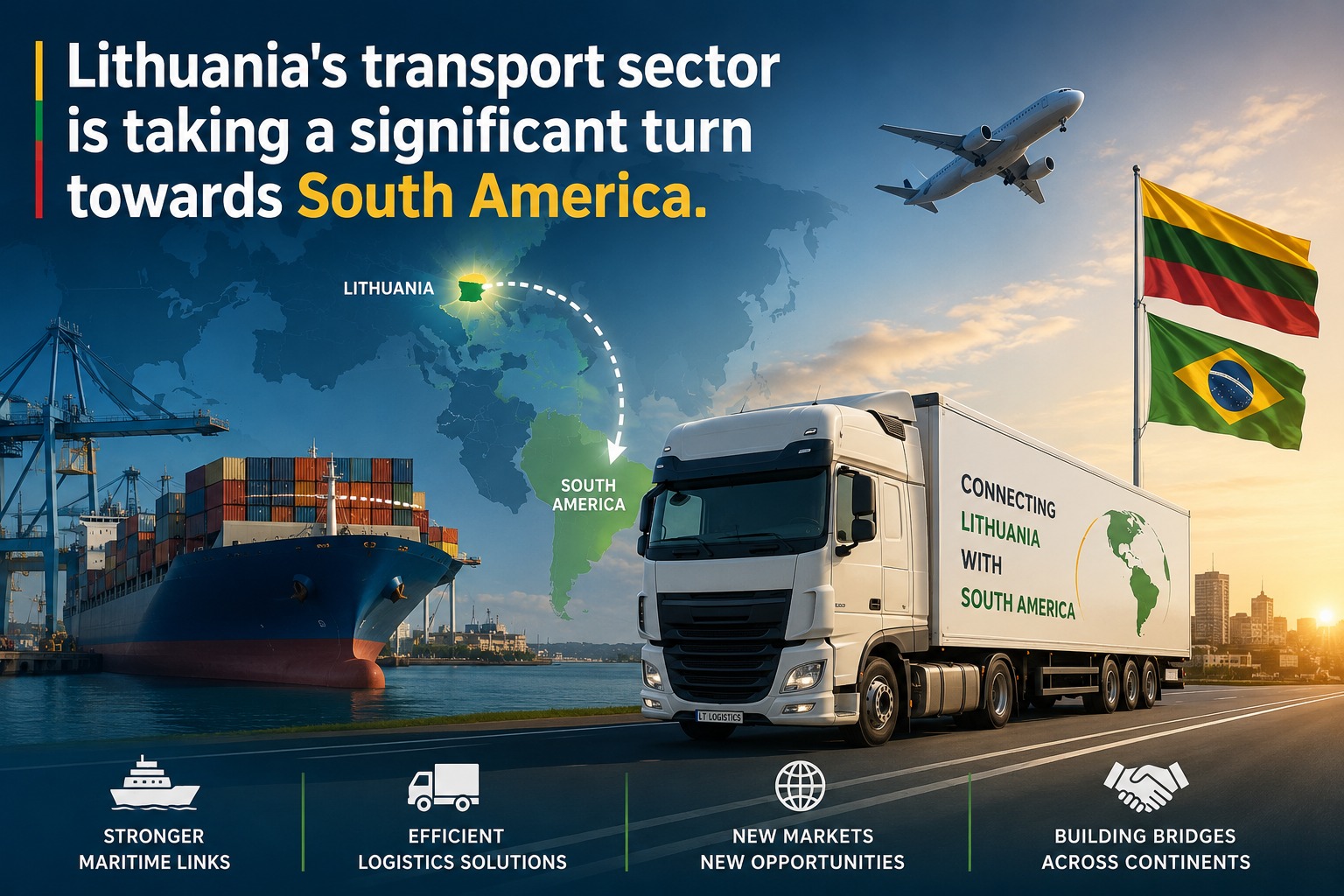
🚛 Lithuania's transport sector is taking a significant turn towards South America.
Brazilian truck driver Paulo Sousa, who arrived in Lithuania and started working for the logistics company Transmėja Logistics, is showing an increasingly clear trend in the European transport sector. Lithuanian carriers are actively expanding their search for employees in South America, and Brazil is becoming one of the most important new markets for professional drivers.
Behind this text is a human being - not artificial intelligence. This material was completely prepared by the editor, using his knowledge and experience.
According to the data of the international recruitment agency M/Brazil Agency, in 2026 alone, European transport companies plan to employ more than 2 thousand Brazilian drivers. The greatest demand is recorded in Lithuania and Poland, but companies in Germany, Austria and Spain are also actively looking for employees.
Lithuanian companies expand their search in Brazil
Several large Lithuanian transport companies have already started searching for Brazilian drivers. In addition to Transmėja Logistics, Vlantana, Girteka, Gretvėja and other companies have announced their active expansion in South America.
Vlantana Logistics, operating in the Klaipėda region, announced plans to hire as many as 200 professional truck drivers from Brazil. The company promises to help candidates organize travel, accommodation and offers long-term career opportunities in Europe.
Vlantana’s decision reflects a broader change in the market – European carriers are increasingly relying less on traditional labor markets in Asia and are looking for new regions that can ensure a long-term flow of labor.
Girteka is already training its first drivers in Lithuania
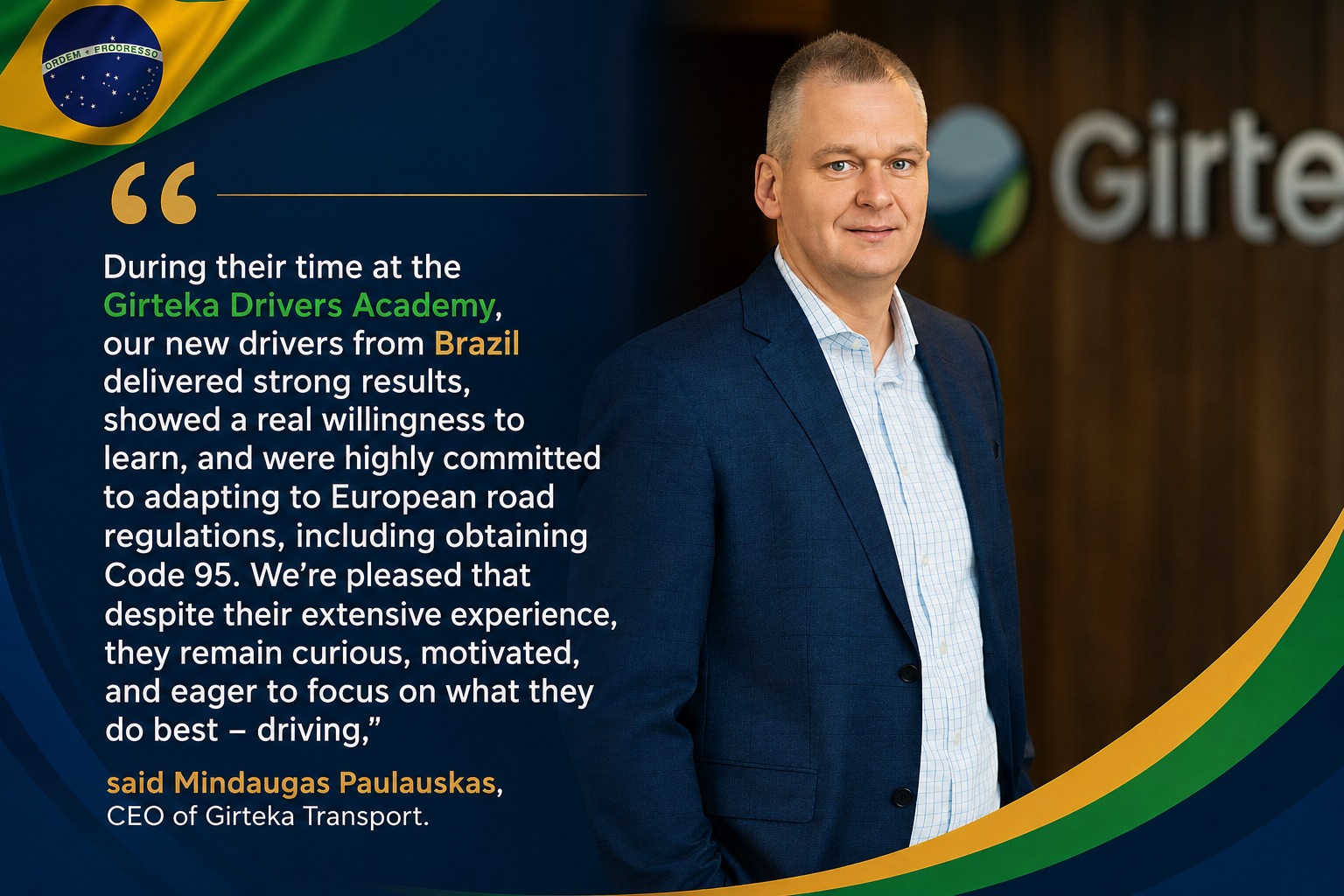
One of the largest European transport groups, Girteka, has also announced its first steps in Brazil. The first Brazilian drivers participating in the Girteka Drivers Academy program have already arrived in Lithuania.
During the training, drivers are introduced to European Union road transport rules, work and rest regime requirements and are preparing to receive the professional “Code 95” qualification.
“During the training, the drivers from Brazil showed high motivation and quickly understood European requirements,” said Mindaugas Paulauskas, head of Girteka Transport.
According to market participants, driving experience alone is not enough – much attention is also paid to language training, cultural preparation and practical adaptation in Europe.
Traditional markets are no longer able to meet demand
The European road transport sector has been facing a structural shortage of drivers for many years. It is estimated that there is currently a shortage of about 500 thousand professional drivers throughout Europe.
The main reasons are the aging workforce, declining interest in the profession among young people and difficult working conditions. As a result, carriers are actively looking for employees outside the European Union.
Until now, most drivers have been hired from Central Asia, India or the Philippines, but competition between European companies in these markets is growing rapidly.
“Carriers should not depend on a single labor market. Brazilian drivers are characterized by extensive experience, the ability to work in difficult conditions and strong motivation,” said Marcelo Toledo, head of M/Brazil Agency.
According to him, the agency receives about 10 thousand resumes every month from drivers who want to work in Europe.
A new “driver auction” model is taking shape
Personnel selection specialists note that the so-called “driver auction” model is gaining ground in the transport sector. According to it, carriers submit their planned need for employees in advance, and selection partners in specific countries begin the search and training of candidates.
Some candidate selection processes last up to a year. Drivers participate in remote interviews, learn languages, prepare for qualification exams and begin to get acquainted with the specifics of working in Europe even before arrival.
Some candidates, upon arriving in Europe, must already have initial savings for their first living expenses.
According to experts, such a model allows carriers to plan employee flows in advance, but at the same time raises questions about the dependence of employees on a specific employer.
Better income attracts drivers
According to M/Brazil Agency, Brazilian drivers themselves usually view work in Europe as an opportunity to improve their quality of life and secure higher income. Brazilian Afonso Pereira, who has been working in Austria for two years, says he does not plan to return to his homeland.
“Living conditions and wages are much better than in Brazil,” he said.
Another driver, Alexandro Silva, who became the first Brazilian in the Hegelmann group in Lithuania, managed not only to adapt to the European environment during his working time, but also to host family members on vacation in Lithuania.
André Funes, who works for Cargogo, said that working in Europe allowed him to have his first honeymoon with his wife after 15 years of marriage.
Discussions about working conditions are only intensifying
The rapid hiring of workers from third countries is also raising more and more questions. Trade unions and labor market experts emphasize that the reasons for the shortage of drivers lie not only in demographics, but also in the working conditions themselves. Long business trips, complex remuneration systems, life on the road and disputes over working time accounting reduce the attractiveness of the profession for local workers.
Critics also warn of the risk of social dumping if companies solve the shortage of workers solely by importing cheaper labor without improving working conditions in the sector itself.
Lithuania has already tightened the procedure for hiring workers from third countries in recent years - quotas have been introduced, controls have been strengthened and more attention is paid to wage transparency.
Nevertheless, transport companies emphasize that without workers from abroad it would be increasingly difficult to maintain a share of international transport. Therefore, the importance of Brazil and other South American countries for the European logistics sector is likely to grow even more in the coming years.

Polscy przewoźnicy ruszają po kierowców do Brazylii. Pierwsze takie wydarzenie w São Paulo
Polskie firmy transportowe zaczynają rekrutację kierowców ciężarówek w Brazylii. W najbliższą niedzielę w São Paulo odbędą się pierwsze targi pracy organizowane wyłącznie z myślą o zawodowych kierowcach zainteresowanych przeprowadzką do Polski i pracą w europejskim transporcie drogowym.
Za projektem stoją firmy TAS Logistyka i Bianco Logistic, które wspólnie z brazylijską agencją rekrutacyjną M/Brazil chcą pozyskiwać kierowców do obsługi międzynarodowych przewozów realizowanych na rynku europejskim. Organizatorzy zapowiadają, że wydarzenie może stać się początkiem stałej współpracy rekrutacyjnej między Polską a Brazylią.
Polskie firmy transportowe coraz intensywniej szukają kierowców poza Europą. Niedobory kadrowe, z którymi od lat mierzy się branża transportowa w Unii Europejskiej, skłaniają przewoźników do otwierania nowych kierunków rekrutacji. Tym razem wybór padł na Brazylię, gdzie – jak podkreślają organizatorzy inicjatywy – nie brakuje doświadczonych kierowców zainteresowanych pracą za granicą.
Polscy przewoźnicy organizują rekrutację w Brazylii
Targi pracy odbędą się 24 maja w São Paulo. Na miejscu obecni będą przedstawiciele TAS Logistyka oraz Bianco Logistic. Obie firmy należą do grupy średnich i dużych przedsiębiorstw transportowych obsługujących przewozy międzynarodowe w Europie.
Za organizację procesu rekrutacyjnego odpowiada Marcelo Toledo, właściciel agencji M/Brazil, specjalizującej się w międzynarodowym doradztwie personalnym od 1990 r. To właśnie jego firma selekcjonowała brazylijskich kierowców zaproszonych na rozmowy kwalifikacyjne z polskimi przewoźnikami.
Naszym celem jest rekrutacja co najmniej 50 kierowców miesięcznie zainteresowanych przeprowadzką do Polski, aby wesprzeć rosnącą liczbę firm transportowych poszukujących wykwalifikowanych pracowników” – powiedział Marcelo Toledo.
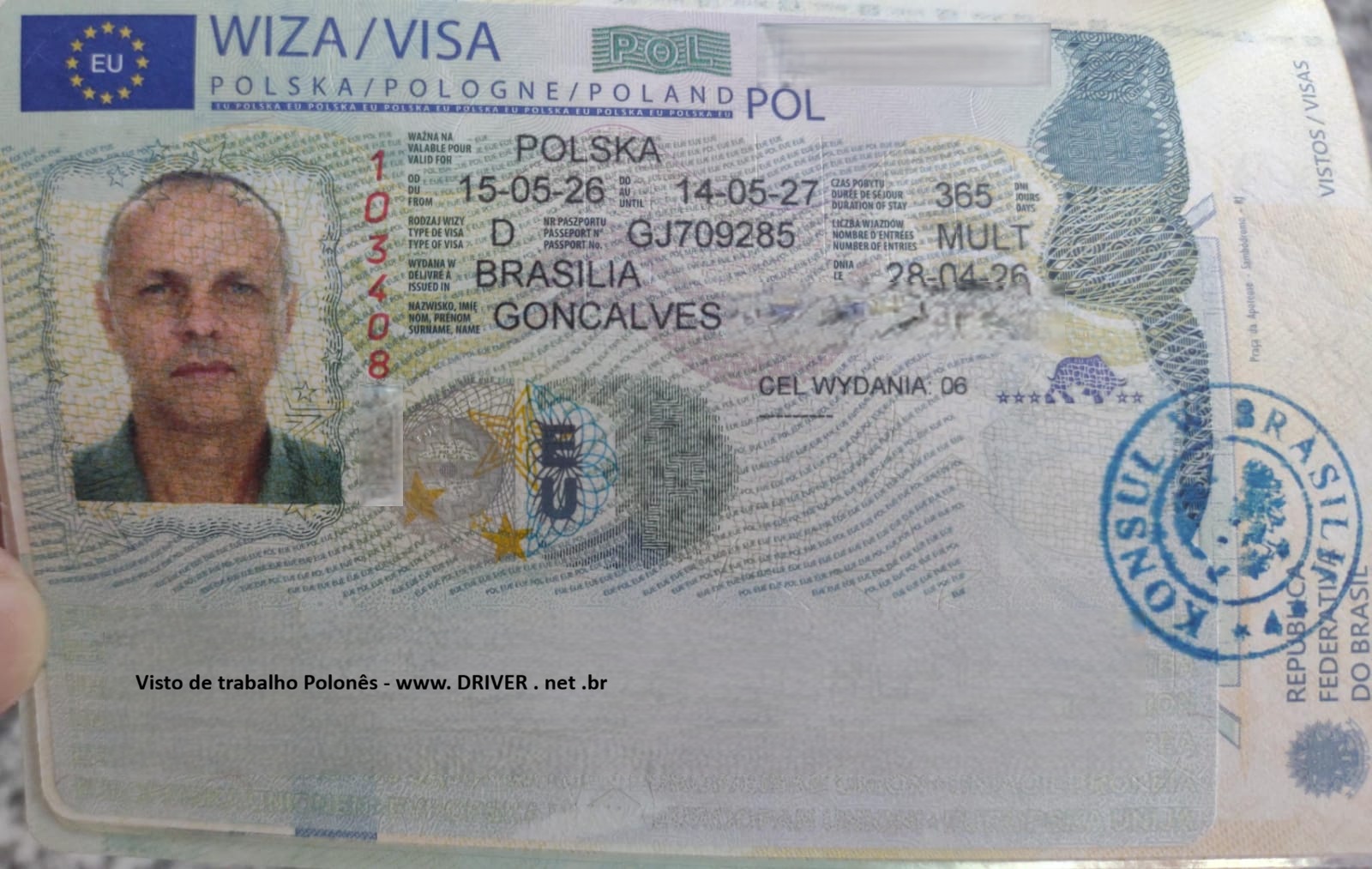
Według organizatorów pierwsza grupa brazylijskich kierowców ma rozpocząć pracę w Polsce już w przyszłym miesiącu. Agencja M/Brazil podkreśla jednocześnie, że dotychczas wszystkie procedowane przez nią wnioski wizowe w polskim konsulacie uzyskały akceptację.
Brazylia coraz ważniejszym kierunkiem rekrutacji
Rekrutacja kierowców z Brazylii wpisuje się w coraz wyraźniejszy trend widoczny w europejskiej branży transportowej. Przewoźnicy z Europy Środkowo-Wschodniej coraz częściej prowadzą nabór poza Unią Europejską, próbując łagodzić niedobory kadrowe.
Jednym z przykładów jest Girteka, która rozpoczęła już zatrudnianie kierowców z Brazylii. Litewska grupa poinformowała w maju, że pierwsi pracownicy przechodzą szkolenia przygotowujące do pracy zgodnie z europejskimi przepisami transportowymi.
Nowi kierowcy uczestniczą w zajęciach prowadzonych przez Girteka Drivers Academy. Szkolenia obejmują m.in. europejskie regulacje dotyczące czasu pracy kierowców oraz uzyskanie Kodu 95.
Podczas nauki w Girteka Drivers Academy nasi nowi kierowcy z Brazylii wykazali się świetnymi wynikami, otwartością na naukę i silnym zaangażowaniem w dostosowywanie się do europejskich przepisów ruchu drogowego” – powiedział Mindaugas Paulauskas, prezes Girteka Transport.
Według przewoźników brazylijscy kierowcy są cenieni przede wszystkim za doświadczenie w przewozach dalekobieżnych oraz gotowość do pracy międzynarodowej. Proces rekrutacji coraz częściej rozpoczyna się jeszcze przed przyjazdem kandydatów do Europy, obejmując zdalną weryfikację dokumentów i rozmowy kwalifikacyjne.
„Aukcja kierowców” coraz bardziej widoczna
W branży transportowej zaczęło pojawiać się określenie „aukcja kierowców”. Rekruterzy używają go wobec modelu, w którym przewoźnicy przekazują prognozy dotyczące przyszłego zapotrzebowania na kierowców, a agencje rozpoczynają poszukiwanie kandydatów jeszcze na wiele miesięcy przed planowanym zatrudnieniem.
Kandydaci przechodzą wieloetapową selekcję, szkolenia oraz przygotowanie do europejskich realiów pracy jeszcze przed wyjazdem z Brazylii. Proces obejmuje także naukę języka oraz organizację formalności związanych z pobytem i pracą.
W ten sposób kierowców poszukują firmy transportowe działające m.in. na Litwie, w Polsce, Austrii, Łotwie, we Włoszech i Hiszpanii.
Brazilian Truck Drivers Recruitment for Europe | M/Brazil Agency – International Driver Hiring
Driver Auction
Brazilian truck drivers Europe
recruitment of drivers for Europe
truck driver visa Europe
Code 95 training for foreigners
Viking training drivers
how European hauliers hire from Brazil
Brazilian truck drivers are being recruited for Eastern European transport companies. M/Brazil agency, led by Marcelo Toledo, organizes international recruitment events connecting European fleets with experienced Brazilian drivers.
Brazilian truck drivers for Europe
truck driver recruitment Europe
hire Brazilian truck drivers
international driver recruitment agency
European transport companies hiring drivers
Lithuania trucking jobs
truck driver jobs Europe for Brazilians
driver shortage Europe transport industry
Marcelo Toledo international recruitment
MBrazil driver recruitment agency
#TruckDrivers
#DriverRecruitment
#TruckDriverJobs
#BrazilianDrivers
#EuropeanTransport
#LogisticsIndustry
#DriverShortage
#InternationalRecruitment
#LogisticsJobs
#TruckDriverEurope
#TransportIndustry
#MarceloToledo
#MBrazil